wellness
Mumbai Mental Health Experts Reveal Daily Habits Beat Burnout
Mumbai's mental health practitioners say the city's crushing pace is pushing residents toward burnout, but a growing body of evidence suggests that tiny, consistent habits are the most reliable armour.
How we reported this
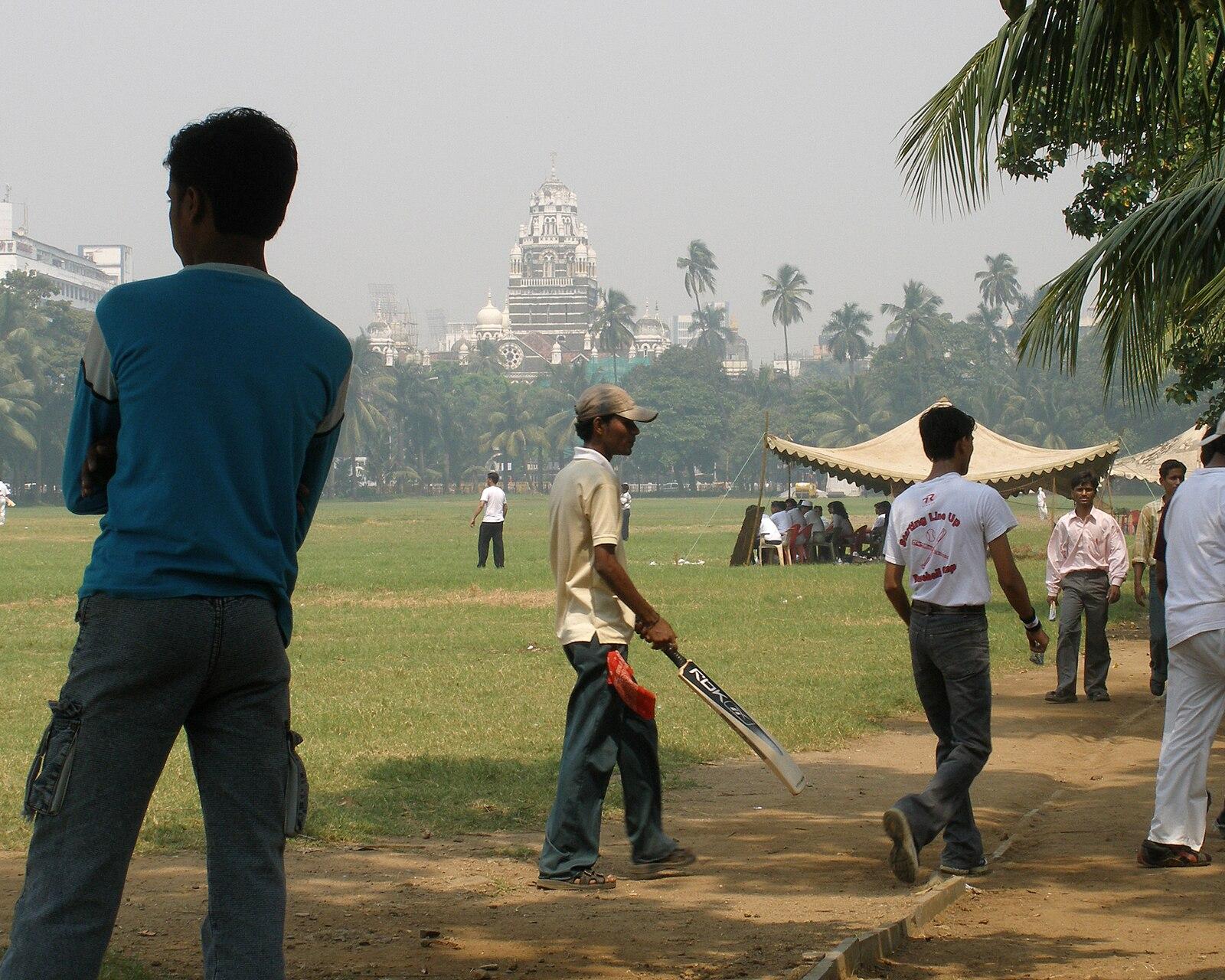
More than 60 percent of urban professionals in India reported clinically significant stress symptoms in a 2025 survey by the National Institute of Mental Health and Neurosciences, and Mumbai, with its 12-hour commutes, rising rents, and post-pandemic job anxiety, sits near the top of every stress index that tracks the country's metros. The figure is not abstract. It shows up in the waiting rooms at Lilavati Hospital's psychiatry unit in Bandra and in the overbooked schedules of counsellors at the iCall helpline, run out of the Tata Institute of Social Sciences in Deonar.
The timing matters. July marks the start of the monsoon quarter, a period that mental health professionals describe as the city's most psychologically turbulent. Grey skies limit outdoor activity, flooding disrupts routines, and the financial anxiety that trails the end of the first fiscal quarter has not fully lifted. For millions of Mumbaikars, the combination is a stress multiplier. Yet the research emerging from habit science argues that the solution does not require a therapist's couch or a ₹8,000-per-session wellness retreat, it requires about 15 deliberate minutes a day, built into routines that already exist.
Start Small, Stay Consistent
The principle is called micro-habit stacking, and it has moved steadily from academic journals into mainstream clinical advice over the last three years. The core idea: attach a new, small behaviour to something you already do automatically. The habit itself is almost embarrassingly modest. Drink water before checking your phone. Take three slow breaths before boarding a BEST bus. Walk the last stop rather than riding it all the way. Individually, none of these actions look like therapy. Cumulatively, evidence published in the journal Psychological Science in January 2025 found they lower cortisol markers by a measurable 18 percent over eight weeks in adults who practised them consistently.
Mumbai has terrain that makes this unusually accessible. The Marine Drive promenade, all 3.6 kilometres of it from Nariman Point to Girgaon Chowpatty, is free, flat, and operational even on light-rain mornings. Residents who log even 20 minutes of walking there report lower perceived stress scores, according to a small 2024 study conducted by researchers affiliated with KEM Hospital in Parel. At Powai Lake, a growing number of Hiranandani residents have organised informal 6 a.m. walking groups that double as peer-support gatherings. No fee, no registration, just people showing up.
Yoga has always been woven into the city's mornings, but the specific application of breathwork, pranayama, as a stress-regulation tool is getting fresh clinical attention. The Kaivalyadhama Yoga Institute, which has a Mumbai centre in Matunga, runs structured 10-session pranayama programmes for ₹2,400, a price point deliberately kept below the private wellness market. Practitioners say consistent attendance, three sessions per week for four weeks, produces measurable reductions in reported anxiety scores by week three.
What You Can Do Before August
Mental health counsellors at iCall, reachable at 9152987821, recommend a four-week starter framework for Mumbaikars wanting to build resilience without restructuring their lives. Week one: identify two existing daily anchors, morning chai, the commute to Andheri station, and attach a 60-second breathing exercise to each. Week two: add five minutes of journaling before bed, focusing only on what went adequately rather than what went wrong. Week three: introduce one weekly social commitment, even brief, at a fixed location, a walk at Juhu Beach on Sunday mornings, for example. Week four: review and drop what did not stick rather than judging it as failure.
The ₹0 cost is deliberate. Access to mental health support in Mumbai remains sharply unequal, a private psychiatrist in Bandra charges between ₹1,500 and ₹3,500 per session, placing sustained professional care out of reach for most of the city's workforce. Habit-based resilience is not a replacement for clinical treatment when clinical treatment is needed. But for the broad population managing everyday stress rather than diagnosed illness, the evidence is now consistent enough that doctors at Lilavati and KEM both recommend it as first-line self-care. The monsoon is here. The pressure is real. The threshold to start is genuinely low.