Technology
Mumbai's Coworking Boom Masks Labour Exploitation and Security Risks
As flexible workspaces proliferate across Bandra and Beyond, experts warn that convenience masks labour exploitation, data security gaps, and a widening inequality divide.
How we reported this
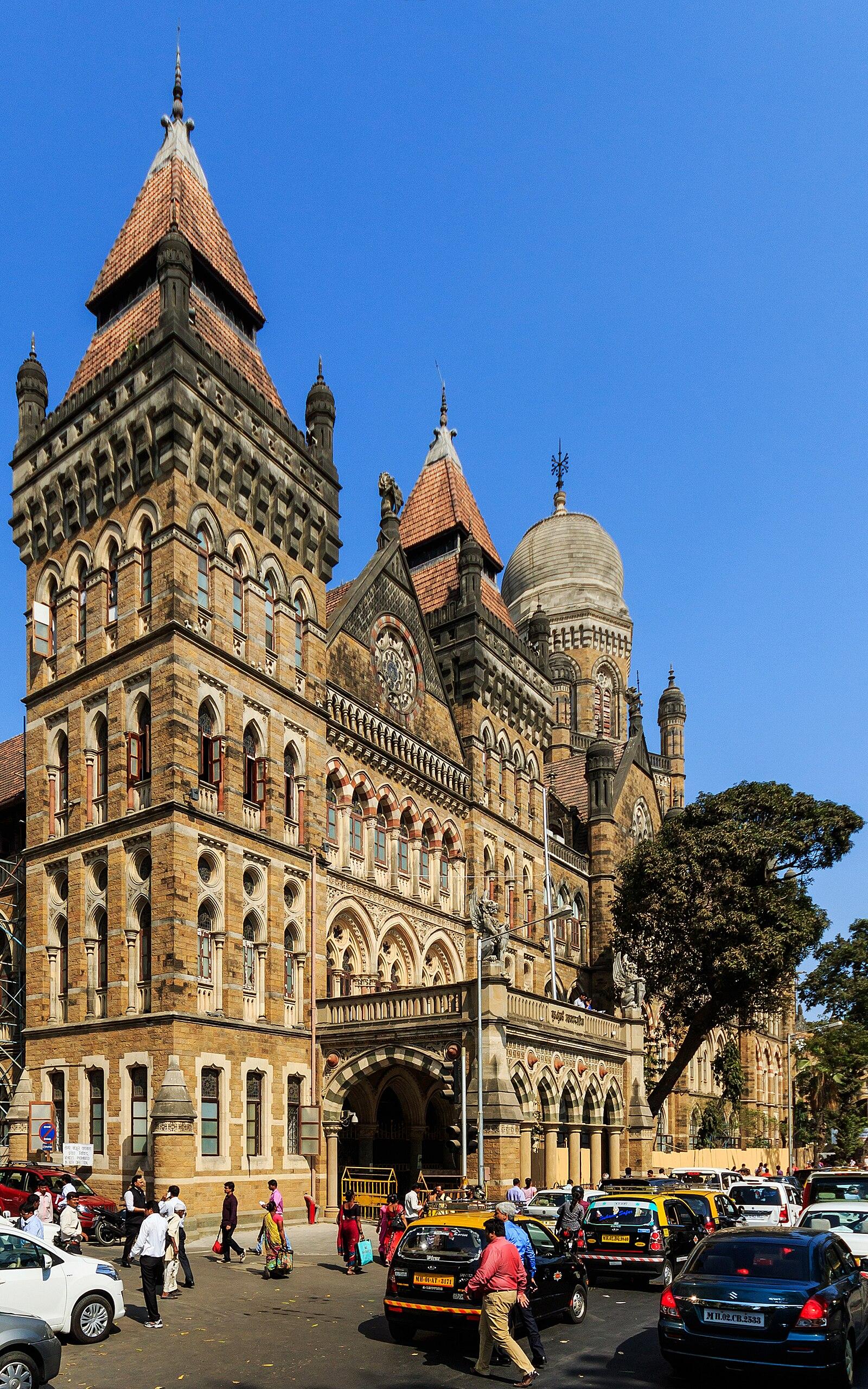
Walk down linking Road in Bandra or through Powai's office parks, and you'll spot the revolution: sleek coworking spaces with names promising liberation, flexibility, and the future of work. Yet behind the Instagram-friendly aesthetics lies a more complicated reality that Mumbai's tech community is only beginning to grapple with.
The numbers are undeniable. India's coworking sector is projected to grow 20% annually, with Mumbai commanding the largest share. Monthly memberships at premium spaces near Lower Parel range from ₹8,000 to ₹18,000, while hotdesking in Andheri costs considerably less. The promise is seductive: work from anywhere, no long-term leases, built-in community. For startups and freelancers, it's transformative.
But the model masks uncomfortable truths. Unlike traditional offices, coworking spaces typically offer minimal employee protections. Freelancers and solopreneurs-who now comprise 45% of coworking members nationally-lack gratuity, health insurance, or paid leave. When someone falls ill or faces financial hardship, the flexibility they celebrated becomes precarity.
Data security presents another blind spot. A 2025 study by a leading cybersecurity firm found that 60% of coworking spaces in metropolitan India lack adequate encryption protocols or secure backup systems. Startups handling sensitive client data work openly in shared spaces where network security depends entirely on provider infrastructure. One breach could devastate emerging ventures operating from Bombay Stock Exchange-adjacent offices in Fort.
Then there's the equity question. As commercial real estate in central Mumbai becomes prohibitively expensive, established companies and well-funded startups secure premium locations in Bandra Kurla Complex and Worli, while bootstrapped founders and women entrepreneurs cluster in cheaper peripheral zones. The coworking boom hasn't democratised access-it's simply created new hierarchies.
Environmental concerns are equally pressing. These spaces promise sustainability, yet high churn rates mean constant renovations, furniture disposal, and energy-intensive operations catering to flexible schedules around the clock.
Mumbai's tech leadership must confront these tensions seriously. Some spaces have begun offering micro-insurance products and transparent data policies, but these remain exceptions. Meaningful progress requires sector-wide standards: fair labour practices for long-term residents, mandatory security audits, and deliberate accessibility pricing.
The future of work needn't be binary-flexibility versus security, innovation versus protection. But realising that balance demands uncomfortable conversations about whose interests the coworking model truly serves. Mumbai's tech community built its global reputation on talent and hustle. It owes that talent more than beautiful workspaces and networking events.