Technology
Mumbai's Green Tech Pipeline: What's Coming Next in Clean Energy Innovation
From hydrogen fuel cells to AI-powered grid systems, Mumbai's startups and enterprises are racing to launch products that could reshape India's energy future.
How we reported this
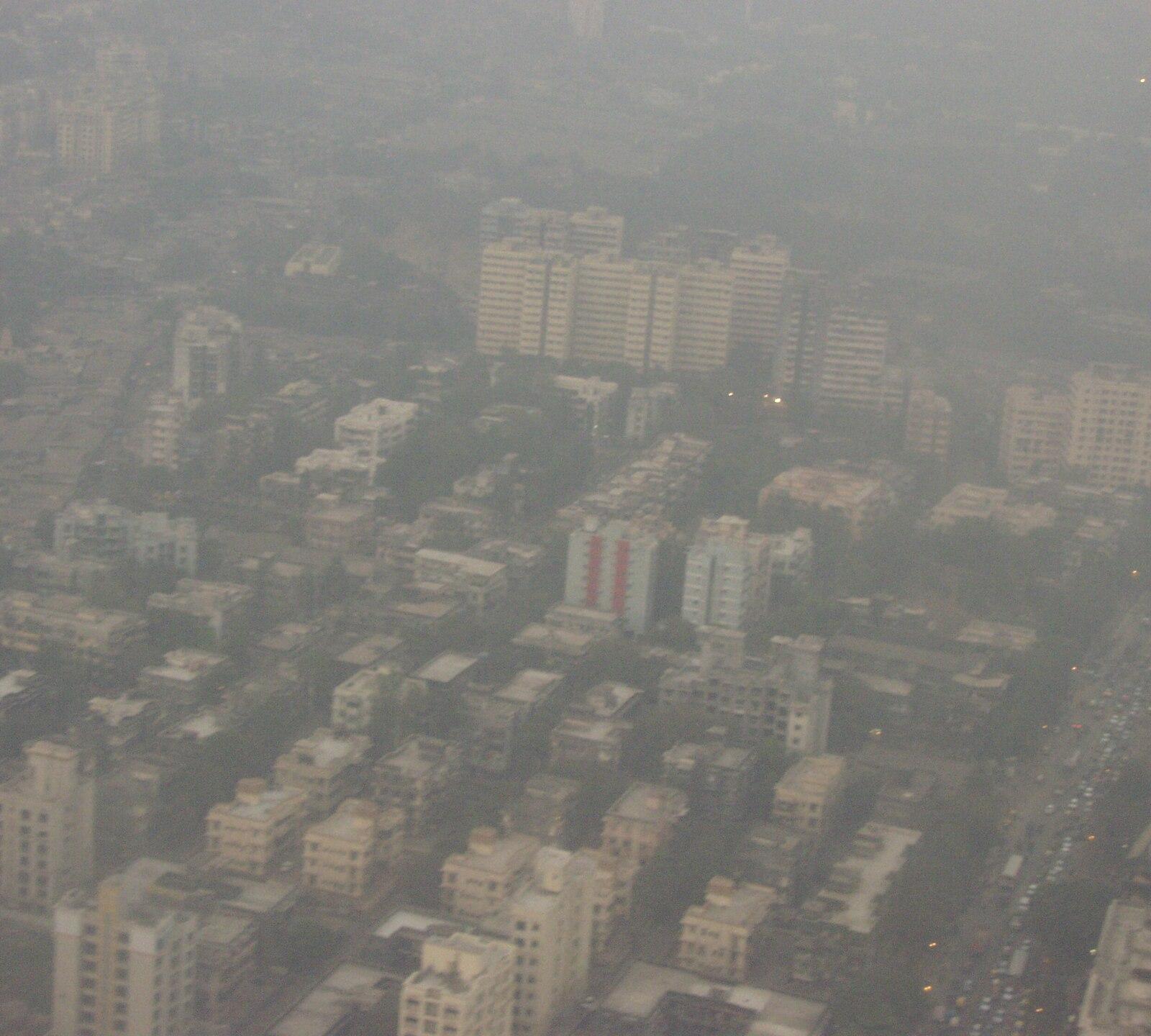
Mumbai's tech corridor is buzzing with anticipation as clean energy ventures prepare to roll out game-changing products over the next 18 months. After years of groundwork, the city's sustainable technology ecosystem is moving from pilot projects to commercial deployment-a shift that could position Mumbai as India's clean tech capital.
In Bandra Kurla Complex and the emerging innovation hubs along Eastern Waterfront, startups are finalizing prototypes for next-generation solutions. Several companies are targeting Q4 2026 for launch of affordable home energy storage systems-batteries priced under ₹2.5 lakh that can integrate seamlessly with rooftop solar installations. This addresses a critical pain point for Mumbai's middle-class homeowners, who face irregular grid supply during peak hours.
Green hydrogen production is another frontier gaining traction. Multiple ventures incubated at IIT Bombay's Centre for Technology Development are advancing electrolyzer technology designed specifically for India's industrial landscape. Commercial pilots are slated to begin in partnership with manufacturing units across the MIDC industrial zones by late 2026.
Perhaps most ambitiously, a consortium of tech firms based in Malad and Powai are developing an AI-powered microgrid management system intended for deployment across Mumbai's residential complexes and commercial districts. The platform, expected to launch early next year, will optimize renewable energy consumption in real-time, potentially reducing commercial electricity costs by 15-20 percent.
The timing is strategic. Maharashtra's renewable energy target of 20 GW by 2025 has created urgency within government and corporate sectors. Additionally, the Municipal Corporation of Greater Mumbai's recent commitment to achieve net-zero emissions by 2050 is driving demand for scalable solutions.
Transportation electrification remains another focal point. Last-mile delivery startups are prototyping lightweight electric cargo vehicles suited to Mumbai's congested roads. Several models are expected to hit pilot phases across central Mumbai localities by autumn 2026, targeting the city's e-commerce logistics providers who collectively operate over 15,000 vehicles.
Industry observers caution that Mumbai faces infrastructure bottlenecks-grid integration challenges, supply chain constraints, and the need for updated building bylaws to accommodate new technologies. Yet the momentum is undeniable. Venture capital flowing into local clean tech startups reached ₹850 crore last year, nearly double the 2024 figure.
The next 18 months will test whether Mumbai's innovation promise translates into products that ordinary citizens and businesses can afford and adopt. Success could catalyze India's energy transition at scale; failure would confirm skeptics' fears about the sustainability sector's ability to move beyond marketing.