property
Mumbai's Rental Vacancy Plummets Below 2%, Fueling Bidding Wars
With fewer than 2% of rental units sitting empty across key corridors, the city's would-be homebuyers are stuck in a brutal bidding war they didn't sign up for.
How we reported this
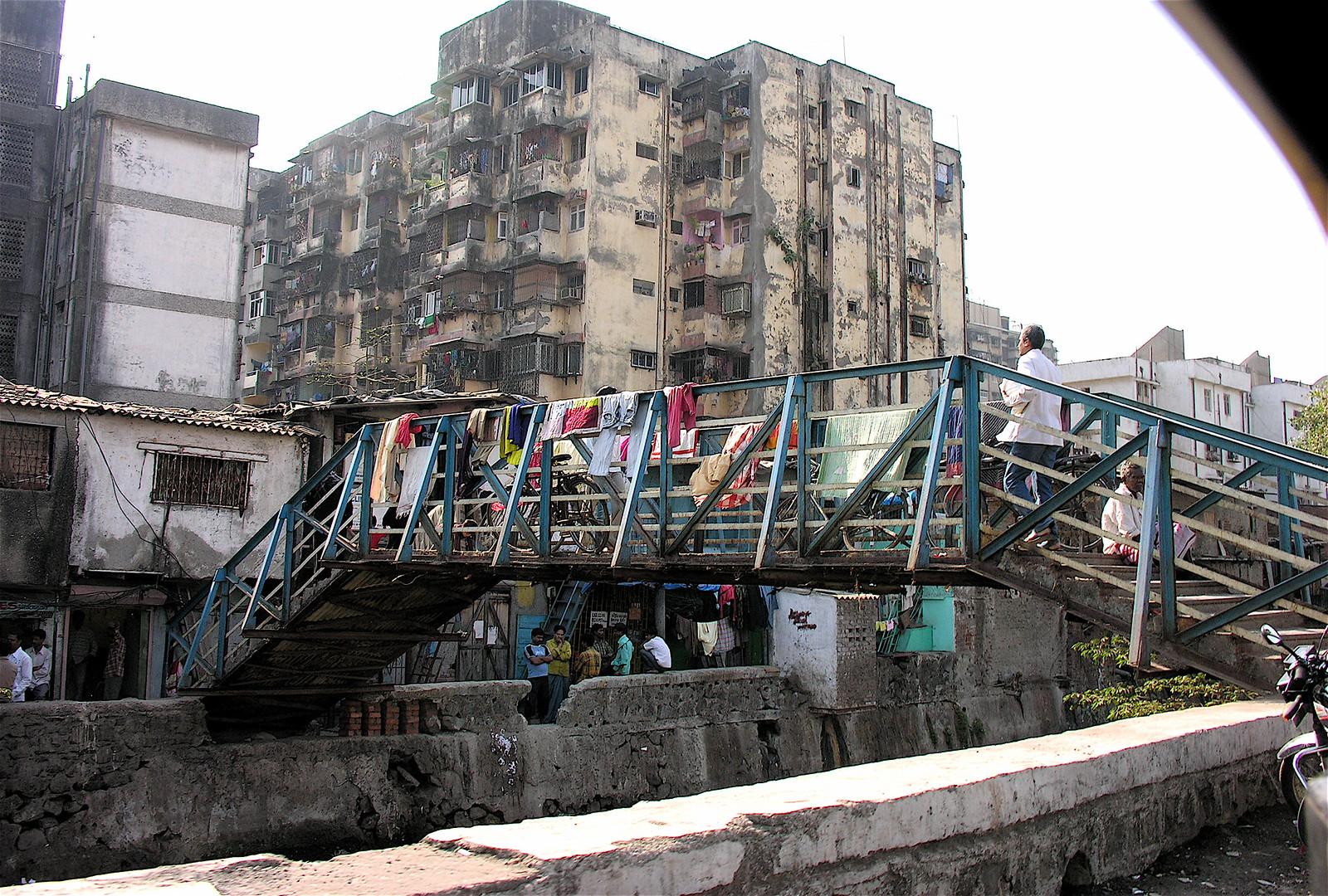
Mumbai's rental market has rarely been this tight. Vacancy rates across the city's most sought-after residential corridors have dropped to levels that property consultants privately describe as functionally zero, a condition that is forcing thousands of households to either overpay on rent or stretch dangerously thin to buy. The squeeze is sharpest in the western suburbs, where localities like Andheri West and Goregaon East have seen available two-bedroom units evaporate within 48 hours of listing, according to listings data from platforms including NoBroker and MagicBricks tracked through June 2026.
Why now? Several forces landed simultaneously. The post-pandemic return-to-office push accelerated through 2025, pulling workers back into the city from peripheral towns like Vasai and Mira Road. At the same time, the Dharavi Redevelopment Project, overseen by the Dharavi Redevelopment Project Pvt Ltd, a joint venture involving the Adani Group and the Maharashtra government, displaced tens of thousands of existing residents who needed alternative rental accommodation at short notice. Construction delays on new housing supply, many tied to monsoon disruptions and revised Floor Space Index approvals under the Maharashtra government's revised Development Control and Promotion Regulations, compounded the shortfall. The result is a city with approximately 21 million residents and a rental stock that has simply not grown to match.
What the Numbers Actually Show
The average rent for a 1,000-square-foot two-bedroom apartment in Bandra West now runs between Rs 75,000 and Rs 95,000 per month, according to aggregated listings data reviewed this week. In Powai, near the Hiranandani Gardens township, the same configuration costs roughly Rs 50,000 to Rs 65,000 monthly. These are not premium concierge buildings, they are standard mid-market flats. Compare that against purchase prices: Mumbai's citywide average stands around Rs 20,000 per square foot, meaning that same 1,000-square-foot Powai flat carries a ticket price of approximately Rs 2 crore before registration, stamp duty at 5% under Maharashtra's current slab, and home loan interest rates that have held above 8.5% through the first half of 2026 following successive Reserve Bank of India policy decisions. The monthly EMI on a Rs 1.6-crore loan over 20 years at 8.75% comes to roughly Rs 1.42 lakh, more than double the rent for an equivalent unit. On paper, renting wins. In practice, finding a rental is itself the crisis.
The Bandra-Kurla Complex presents a particular paradox. BKC is the city's premier business district, home to the Securities and Exchange Board of India's Mumbai headquarters and dozens of multinational banks. Workers who cannot afford BKC's Rs 1-lakh-plus monthly rents are cascading into Kurla, Chembur, and Sion, pushing vacancy rates in those localities into the low single digits as well. A studio apartment in Chembur's Tilak Nagar micro-market, which rented for Rs 18,000 in mid-2023, now commands Rs 27,000, a jump of around 50% in three years.
Buyers, Renters, and the Impossible Calculus
Navi Mumbai remains the clearest alternative for households priced out of the island city and the western suburbs. Localities like Kharghar and Panvel still offer two-bedroom units in the Rs 60-lakh to Rs 90-lakh range, and rental vacancy there is measurably higher, partly because the long-promised Navi Mumbai International Airport, currently under construction by City and Industrial Development Corporation and its consortium partners, has not yet triggered the full wave of commercial occupancy its backers projected. Thane's Ghodbunder Road corridor is similarly absorbing displaced renters, with new supply from developers including Lodha and Hiranandani continuing to enter the market through 2026.
For anyone currently renting in Mumbai and weighing whether to buy, the honest practical calculation comes down to tenure and liquidity. A household planning to stay put for fewer than seven years will almost certainly come out ahead renting, if they can find something. Those with longer horizons, a substantial down payment, and access to employer housing loan subsidies should model EMI against rent carefully, factoring in the Maharashtra Housing and Area Development Authority's affordable housing schemes for eligible income brackets. The harder immediate reality: before the buy-or-rent question even gets asked, most Mumbai households in 2026 must first win the fight just to secure a lease.
This article is general information only and is not personal financial or investment advice. Consider your own circumstances and seek licensed professional advice before making financial decisions.