property
Mumbai's Rental Vacancy Rate Hits Record Low, Rents Surge
Tenants in Mumbai are facing record-low vacancies, surging rents and tough battles to secure even basic flats, from Chembur to Lower Parel.
How we reported this
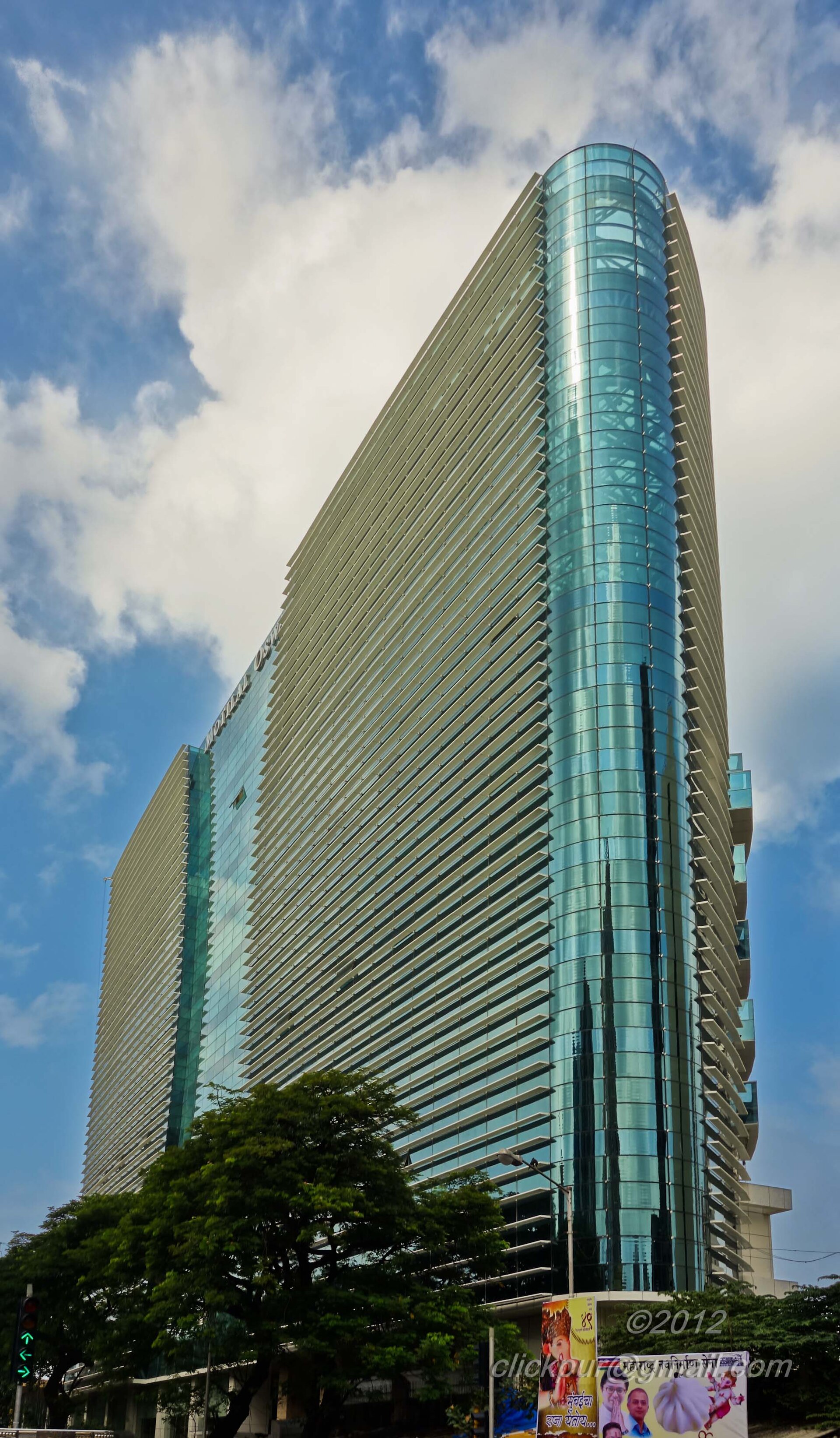
A tenant searching for a two-bedroom apartment in Mumbai in 2026 should be prepared for a bruising contest: the city’s rental vacancy rate has slipped to just 2.3%-lower than nearly any time in recent memory, according to data provided by Anarock Property Consultants this week. Flat listings barely last a day on apps like NoBroker and 99acres before being swamped with inquiries.
Why Now: Surging Demand Meets Stubborn Supply
The squeeze comes at a volatile moment in Mumbai’s housing market. Population growth, a fresh spate of job creation around the Bandra-Kurla Complex (BKC) and in Navi Mumbai, and a pronounced return-to-office push since late 2025 have combined to lift demand. Meanwhile, ongoing delays in large new residential projects-especially in Chembur, Dadar and along the Western Express Highway-have kept supply limited.
Last month’s partial commissioning of Metro 4B, connecting Wadala to Kasarvadavali, sparked even more interest in eastern and central suburbs, property agents say. “Every landlord is getting 15-20 calls the day they list, especially near the Ghatkopar and Andheri metro corridors,” explained an agent managing properties on SV Road, though he declined to be identified.
Fierce Competition and Soaring Costs by Area
Nowhere is the battle more fierce than in mid-market neighbourhoods. In Lower Parel, one of Mumbai’s densest rental micro-markets, a 2BHK may now command upwards of ₹90,000 per month, up from ₹72,000 in early 2024, according to Magicbricks’ July snapshot. In Chembur, rents in reputable towers along Eastern Freeway have crossed ₹45,000 for a 1BHK-while vacancies are close to zero, agents say. Even in relatively affordable pockets of Navi Mumbai’s Vashi sector, a basic 650 sq ft flat is fetching around ₹28,000 monthly. The Brihanmumbai Municipal Corporation (BMC) estimates 70% of new white-collar arrivals prefer to rent rather than buy, which has added to the pressure.
The issue is compounded by delays: More than a dozen planned large-scale projects between Mulund and Powai haven’t yet received final occupation certificates from MMRDA, keeping thousands of units in limbo. Developers point to supply chain holdups and last year’s monsoon flooding as factors, but for hopeful tenants, it means less choice and rising prices. Anarock’s most recent report found available listings across Greater Mumbai dropped 19% year-on-year, while average per-square-foot rents citywide spiked to ₹60, double the rate in 2021.
Practical Moves for Tenants and Investors
Experts predict the squeeze is unlikely to ease before early 2027, when key projects by Godrej Properties and Oberoi Realty are due for completion in Mulund and Goregaon. In the meantime, property consultants like JLL Mumbai recommend tenants act quickly, with all paperwork in hand-Aadhaar, PAN, employer letter-to secure deals within hours, not days. Looking east towards Kanjurmarg or further into Panvel, where supply is marginally better, is also advised for those squeezed out of central and western hotspots.
For renters, patience and flexibility on neighbourhood are critical. For buyers, current high mortgage interest rates-7.45% as of July-mean that outright purchase remains out of reach for many, despite robust demand. Mumbai’s hard-charging rental market, for now, offers little sign of respite.
This article is general information only and is not personal financial or investment advice. Consider your own circumstances and seek licensed professional advice before making financial decisions.