property
Mumbai’s Property Market in 2026: How the Post-Boom Era Stacks Up Against 2021’s Frenzy
Price growth has stabilised since the pandemic-era surge, but fresh hotspots and changing buyer priorities are shaping a new chapter for Mumbai real estate.
How we reported this
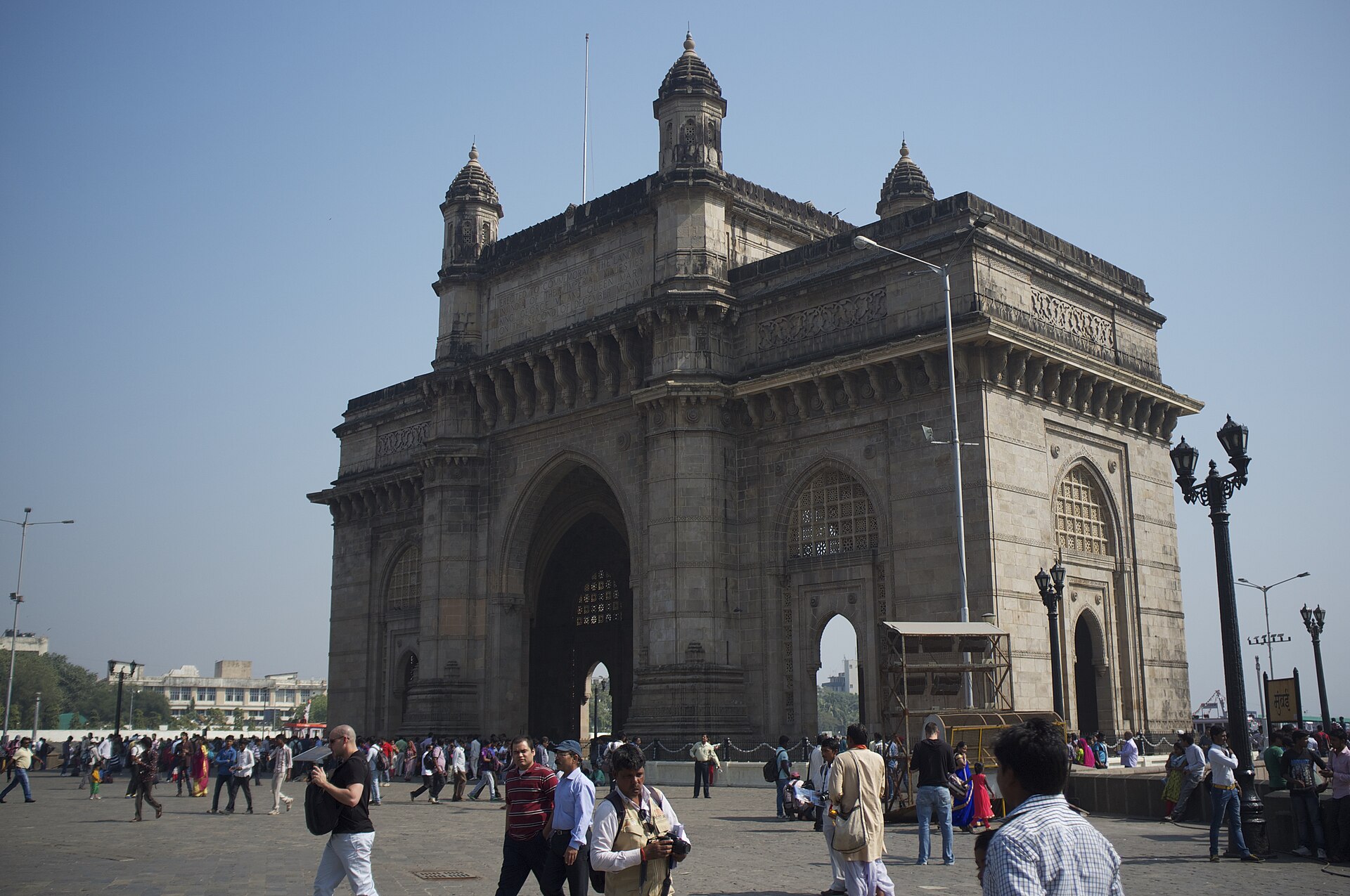
The average property price in Mumbai is up 17% from 2021, but the era of runaway price jumps has cooled, with average rates now hovering near INR 20,000 per square foot as of July, according to Knight Frank’s latest data. The current market, while stable by historical standards, stands in stark contrast to the speculative surge and record-high transaction volumes that defined the 2021 boom.
This shift comes as global economic headwinds gather and local buyers adjust to a high-interest rate environment. The city, which saw a ‘fear of missing out’ drive demand three years ago during and after COVID, now finds investors and end-users alike weighing options more carefully. With European heatwaves and south Asia’s own flood crises making property a key tool for wealth protection, Mumbai’s corrections feel both overdue and globally relevant.
BKC Holds Strong, Thane Keeps Rising
In Bandra-Kurla Complex (BKC), Mumbai’s corporate epicentre, luxury residential prices have plateaued but not fallen off-the spate of launches by Lodha Group and Piramal Realty on G Block commanded up to INR 65,000 per sq ft in early 2026, barely a 5% rise from peak 2021 rates. Meanwhile, demand for mid-segment flats in Thane continues to swell. Rustomjee Urbania and Hiranandani Estate have both reported double-digit increases in inquiries since January, reflecting the shift among younger buyers seeking space and amenities beyond traditional south Mumbai localities. Knight Frank’s Q2 sales tracker shows Thane West clocking a 14% year-on-year uptick in completed transactions, outpacing pricier micro-markets like Worli and Mahalaxmi.
In contrast, established enclaves such as Cuffe Parade and Altamount Road have shifted gear. According to data shared by Magicbricks, listing volumes in these legacy districts are up 22% since last July, but buyer conversion rates have slipped as premium-segment supply outpaces latent demand. 'Investors are not selling at a loss, but they’re holding flats much longer than a year ago,' a Dadar-based broker told The Daily Mumbai. Navi Mumbai, once the bastion for affordability, is relatively muted after exhaustion of the initial post-pandemic demand and lack of significant policy tailwinds like the 2021 stamp duty waiver.
Steady Prices, More Supply, Fewer Bidding Wars
Back in 2021, the city saw an unprecedented rush: more than 1 lakh flats were registered between January and December, an all-time record, with developers like Godrej Properties and Oberoi Realty rationing new launches amid overwhelming bookings. In 2026, according to PropTiger’s database, annual registration numbers are down 18% from that peak, with absorption clusters shifting toward the city’s periphery.
Aside from BKC and Thane, secondary hubs like Vikhroli and Mulund are drawing steady interest from tech professionals, especially after Metro Line 4’s extension to Ghatkopar last quarter. The number of "ready-to-move" listings on Housing.com in these areas is up 29% from July 2025, indicating a growing preference for completed projects over speculative under-construction bets-another contrast with the feverish 2021 cycle, when buyers often bought off-plan and rushed to close deals sight unseen.
Rentals have also plateaued, with average rates for a 2BHK in Lower Parel now at INR 85,000/month-only marginally higher than 24 months ago. Even in Powai, a perennial favourite among IT staff, rental growth has moderated at 7% year-on-year, compared to the double-digit surges registered in the immediate aftermath of lockdowns.
Buyers active in July 2026 face fewer bidding wars, but more choice; developers have launched 21,600 new housing units across Mumbai Metropolitan Region in the first half of the year alone (CREDAI), betting on long-term millennial demand rather than short-term frenzies seen during the 2021 stamp duty concessions.
For those looking to jump in, market veterans recommend focusing on neighbourhoods with upcoming public infrastructure-such as the Goregaon-Mulund Link Road project-rather than chasing the highest fliers from the previous cycle. With interest rates likely to stay elevated through the next financial year and more inventory set to hit the market, Mumbai’s property engine is humming at a safer, more sustainable speed.
This article is general information only and is not personal financial or investment advice. Consider your own circumstances and seek licensed professional advice before making financial decisions.