news
Mumbai Deploys Digital Tools to Combat Monsoon Floods Better Than Global Peers
As July rains hammer the metropolis, officials deploy digital dashboards and flood barriers while other megacities struggle with the same seasonal chaos.
Listen in English · 5 min
How we reported this
The BMC's control room on Fort Street fielded 847 waterlogging complaints by noon yesterday, a figure that would trigger emergency protocols in most world capitals. In Mumbai, it's routine July business. The city's Municipal Corporation has activated its monsoon response grid-real-time satellite monitoring feeds, drainage clearance crews stationed across 24 wards, and a new predictive alert system that pushes notifications to residents' phones 90 minutes before expected flooding. The system, deployed citywide since March 2026, represents Mumbai's latest gambit in a battle that coastal megacities from Jakarta to Lagos are losing with alarming consistency.
Why this matters now: Global climate data shows 13 of the world's 20 largest cities face intensifying monsoon and hurricane seasons. Mumbai receives an average 2,100mm of annual rainfall concentrated into four months. The financial stakes run deep. The city contributes 6.16% of India's GDP despite housing just 1.2% of the national population. Every major flood disrupts markets, halts container traffic at Mumbai Port, and cascades through supply chains across Asia. Unlike cities in developed nations with centuries of drainage infrastructure, Mumbai's sprawl has outpaced engineering capacity for decades.
The Coastal Road project-a 39.65km north-south arterial opened in phases since 2024-demonstrates how the city is rethinking infrastructure amid climate stress. The roadway incorporates 2,200-hectare mangrove buffers and tidal surge barriers absent from comparable projects in other Indian metros. Compare this to Bangalore's IT corridor, which flooded disastrously in 2022 despite being an inland city, or Delhi's perpetually congested transport network that grinds to a halt during monsoon season. The Brihanmumbai Electric Supply and Transportation (BEST) bus depot at Colaba, previously inundated three times between 2019 and 2023, now sits behind reinforced embankments. That investment-approximately Rs. 347 crore-would be considered excessive in most cities. Here it's survival spending.
Digital systems versus wet reality
The BMC's Smart City Command Centre, housed in a five-story facility in Worli commissioned in 2023, monitors 2,300 CCTV cameras and 1,400 sensors across the city. Operators track tide levels in real-time and cross-reference them with rainfall forecasts. This apparatus didn't exist five years ago. Shanghai deployed similar systems in 2019 after a particularly destructive typhoon season; Jakarta, sinking at 10cm annually, only began serious digital monitoring in 2024. Mumbai's head start matters, though imperfectly. During last season's 2,400mm rainfall event in August 2025, the system successfully predicted flooding in Andheri and Dharavi with enough lead time for 47,000 residents to be evacuated. Zero deaths were recorded in those zones. Comparable downpours in Pakistani cities like Karachi have killed dozens because of absence of such infrastructure.
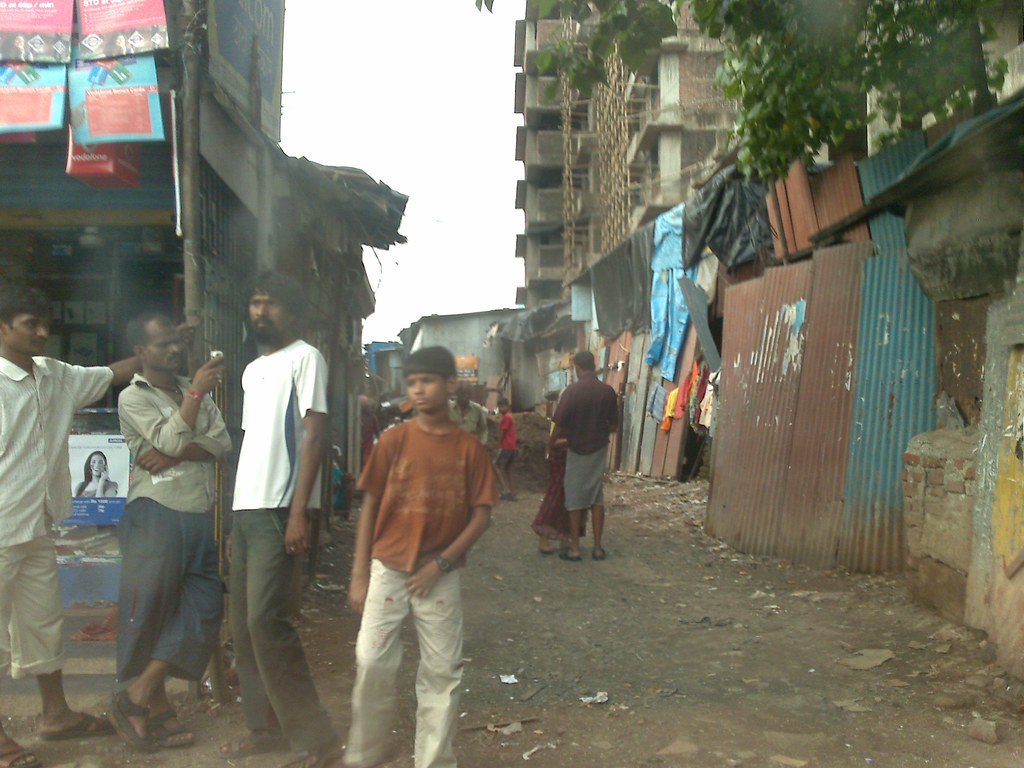
The Dharavi redevelopment scheme-a Rs. 30,000-crore overhaul affecting 672 hectares of the city's densest district-explicitly incorporates stormwater retention ponds for the first time in the area's 150-year history. Officials acknowledge that the previous landscape, with minimal green space and corrugated tin structures, amplified flooding. Similar mega-redevelopment projects in Rio de Janeiro and Manila have foundered on political resistance or budget overruns. Mumbai's project, despite relocation controversies, has maintained momentum with completion targeted for 2029.
The comparison that cuts both ways
What distinguishes Mumbai's approach is pragmatism laced with constraint. The city cannot simply drain water into expansive hinterlands like Houston or build massive pumping infrastructure like Rotterdam-land is scarce, money is limited, and population density remains staggering. Officials have shifted from blocking water to accommodating it. The newly completed Western Waterfront Promenade at Sassoon Dock, opening July 23, features permeable paving designed to absorb 60% more runoff than conventional concrete. It's modest compared to Singapore's billion-dollar reservoir systems, but calibrated to what the city can actually execute.
The monsoon window typically runs through September. Residents should monitor the BMC's official flood alert app, updated every four hours during active rainfall. Completion of underground metro sections at Parel and Mahim by December 2026 will reduce traffic displacement that currently lengthens monsoon disruptions. The city won't eliminate flooding-geology and climate make that impossible. What it's demonstrating is that even resource-constrained metropolises can sharpen response systems when they prioritize the work.