news
Mumbai tackles years-long property records photo corruption crisis systematically
A years-long backlog of duplicate, corrupted and mismatched photographs in the city's digital land registry has finally forced a systematic reckoning.
How we reported this
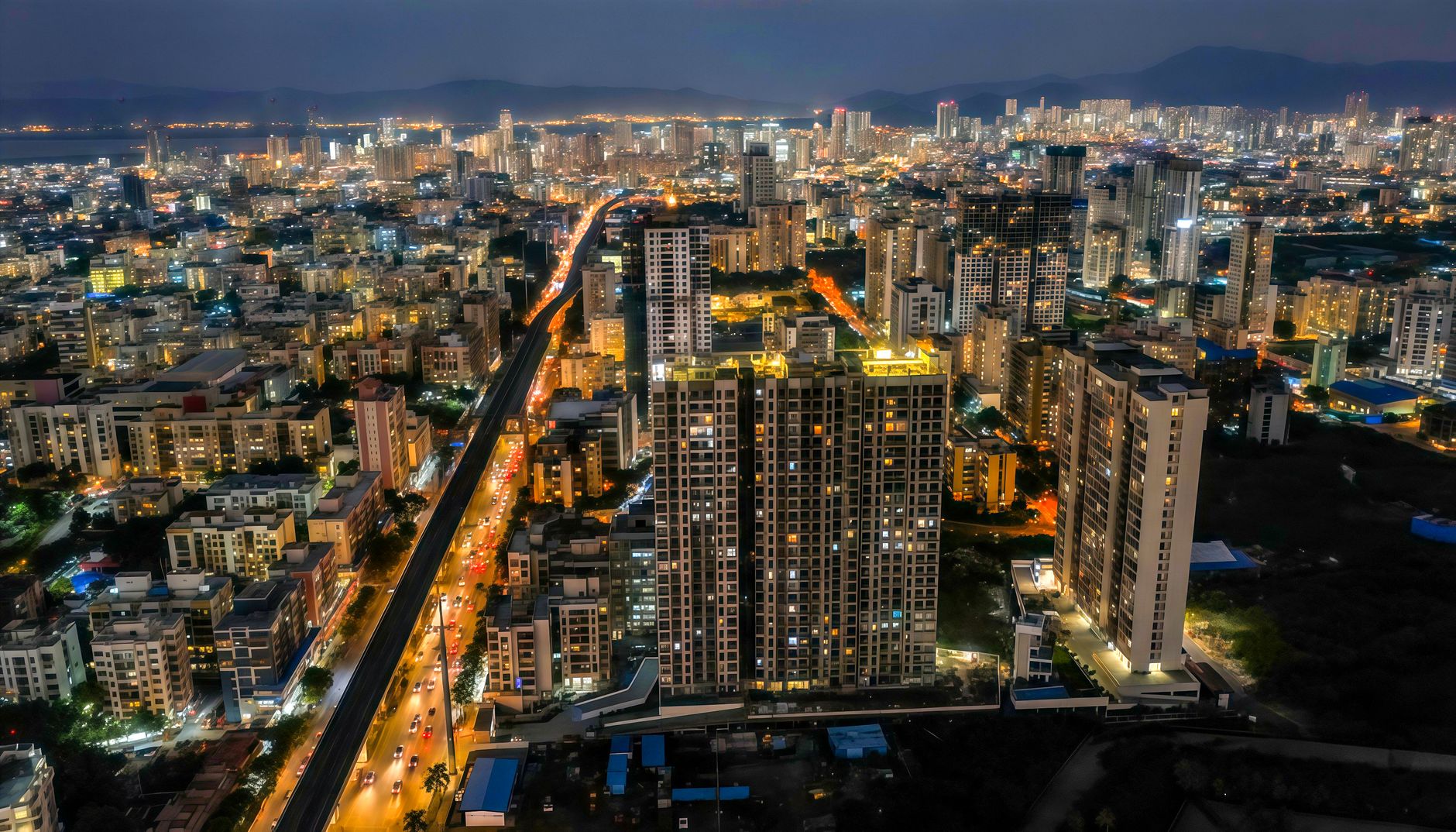
The Maharashtra government has launched a formal audit of duplicate and mismatched property owner photographs embedded in Mumbai's digital land-record system, targeting an estimated several lakh entries across the city's seven revenue divisions where image files are either blank, repeated across multiple parcels, or simply belong to the wrong person. The audit, driven by the Inspector General of Registration's office in Pune, is the most comprehensive image-cleaning exercise the state's property registry has attempted since the original digitisation push began under the e-Registration drive in the early 2000s.
The timing is not arbitrary. With the Dharavi Redevelopment Project now advancing under Adani Realty's project management and the Maharashtra Housing and Area Development Authority overseeing relocation of roughly 650 acres of mixed residential and commercial land, clean property records have become an urgent bureaucratic necessity. A single duplicate photograph attached to a 7/12 extract, the foundational land title document in Maharashtra, can stall a resettlement claim for months. In a project the size of Dharavi, where tens of thousands of households must be individually verified before transit accommodation is allocated, that delay compounds fast.
How the Problem Accumulated Over Two Decades
The roots of this mess stretch back to 2002-2004, when the Maharashtra government first pushed sub-registrar offices across the city to photograph transacting parties at the point of sale and embed those images directly into the digital deed. The technology worked intermittently. Early scanning hardware at offices including the Bandra Sub-Registrar's office on Turner Road and the Kurla Sub-Registrar's office on LBS Marg produced low-resolution files that the system often duplicated rather than replaced when re-uploaded. A single buyer who registered two separate transactions, a flat in Andheri East and a shop in Ghatkopar, for instance, sometimes ended up with the same photograph appearing on entirely unrelated title records belonging to strangers, because batch uploads were processed against property index numbers rather than Aadhaar-linked biometrics.
The problem worsened between 2016 and 2019 when the state integrated its property registration portal with the national Aadhaar seeding initiative. Mismatches between names transliterated differently in Marathi and English created duplicate citizen profiles, and when the system tried to auto-populate a saved photograph from one profile into a related record, it frequently pulled the wrong image entirely. According to Maharashtra's Economic Survey 2024-25, the state processed over 22 lakh property registrations in the financial year 2023-24 alone, a figure that underlines just how rapidly flawed image entries can accumulate when the underlying matching logic is unreliable.
In Mumbai specifically, high-turnover micro-markets in Malad West, Chembur and the Bandra-Kurla Complex saw the highest per-office registration volumes through 2022 and 2023. Officers at busy sub-registrar counters, handling upwards of 80 transactions a day, had little time to manually verify that a newly captured photograph had not already been assigned to a prior deed in the database queue.
What the Audit Entails, and What Comes Next
The current remediation process requires each of Mumbai's sub-registrar offices to generate an exception report flagging deeds where the embedded photograph hash matches more than one distinct index number. Those flagged entries are being cross-checked against the original Aadhaar biometric record held by the Unique Identification Authority of India, with transacting parties called in to re-photograph when the discrepancy cannot be resolved remotely.
For homeowners, the practical implication is straightforward: if you registered a property in Mumbai between 2004 and 2021 and have not received confirmation that your deed is Aadhaar-seeded and image-verified, it is worth contacting your originating sub-registrar office with the index number from your original registration receipt. The Maharashtra government's IGR portal at igrmaharashtra.gov.in allows document status checks using that index number. Those pursuing resettlement claims under the Dharavi project or loan refinancing through banks operating out of the Nariman Point financial district should treat image verification as a prerequisite, not an afterthought, lenders have begun requiring a clean image-verified extract as part of KYC for property-backed loans above Rs 50 lakh.
The audit is expected to run through December 2026. Whether the state's revenue machinery can process the backlog within that window will depend significantly on how many legacy entries pre-date Aadhaar entirely, leaving no biometric anchor to match against at all.