news
Maharashtra government accelerates Dharavi redevelopment; residents await critical decisions ahead.
As the Maharashtra government moves forward with the Dharavi redevelopment project, residents and stakeholders are left wondering what the future holds for one of Mumbai's most iconic neighborhoods.
How we reported this
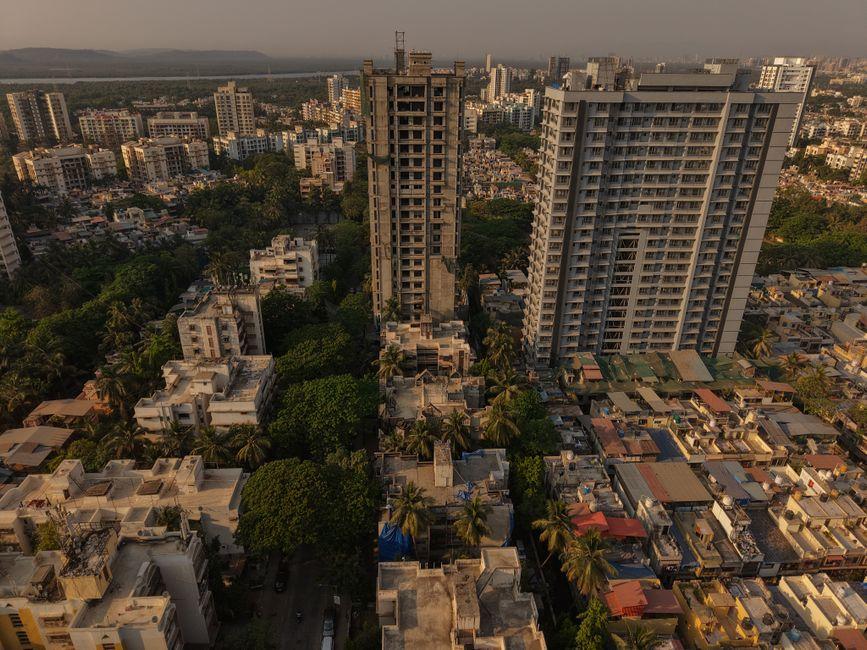
The Maharashtra government's decision to push forward with the Dharavi redevelopment project has left many wondering what the future holds for this iconic Mumbai neighborhood. The project, which aims to transform Dharavi into a modern and sustainable hub, has been marred by controversy and delays.
The Dharavi redevelopment project matters now because it has the potential to impact the lives of thousands of residents and businesses in the area. With the BJP Maharashtra government committed to seeing the project through, it is essential to consider the potential consequences of such a large-scale development. The project's success or failure will have far-reaching implications for the city's economy, infrastructure, and social fabric. For instance, the redevelopment of Dharavi could lead to an increase in property prices, potentially displacing long-time residents and small business owners. On the other hand, it could also bring in new investment, jobs, and amenities, revitalizing the area and making it more attractive to visitors and residents alike.
In Mumbai, the Dharavi redevelopment project is not an isolated issue. It is closely tied to other urban development initiatives, such as the Mumbai Coastal Road project and the expansion of the metro network. The success of these projects will depend on the ability of the government to balance the needs of different stakeholders, including residents, businesses, and commuters. For example, the redevelopment of Dharavi could be coordinated with the expansion of the metro network to ensure that the area is well-connected to other parts of the city. Similarly, the Mumbai Coastal Road project could be designed to mitigate the impact of flooding in areas like Parel and Worli, which are prone to waterlogging during the monsoon season.
Key Statistics and Challenges
According to a report by the Mumbai Metropolitan Region Development Authority (MMRDA), the Dharavi redevelopment project is expected to cost around Rs 26,000 crore. The project aims to provide housing for over 60,000 families, as well as commercial and recreational spaces. However, the project has been delayed several times, and its completion date has been pushed back to 2028. The MMRDA has also announced plans to build a new metro line connecting Dharavi to other parts of the city, with an estimated cost of Rs 12,000 crore. The Maharashtra government has allocated Rs 1,200 crore for the project in the current fiscal year, with the aim of completing the first phase of the project by 2025.
As the project moves forward, residents and stakeholders will be watching closely to see how the government addresses the key challenges ahead. These include ensuring that the rights of existing residents are protected, providing adequate compensation and relocation assistance, and mitigating the impact of the project on the local environment. The government will also need to balance the needs of different stakeholders, including residents, businesses, and commuters. For instance, the redevelopment of Dharavi could lead to an increase in traffic congestion in areas like Sion and Matunga, which are already prone to traffic jams during peak hours. To address this, the government could invest in improving the road infrastructure in these areas, or promote the use of public transport and non-motorized transport options.
In terms of what happens next, the government is expected to announce a series of public consultations and stakeholder meetings to discuss the project's details and address concerns. Residents and businesses are advised to stay informed and participate in these consultations to ensure that their voices are heard. The government has also announced plans to establish a grievance redressal mechanism to address any concerns or complaints related to the project. Additionally, the Maharashtra government has launched a website and a mobile app to provide updates and information on the project, and to allow residents to provide feedback and suggestions. By staying engaged and informed, Mumbaikars can help shape the future of Dharavi and ensure that the redevelopment project benefits all stakeholders.