news
Mumbai Fights Fake Property Listings While Trailing London, Dubai, Singapore
As duplicate and cloned property images flood real estate portals across Indian metros, Mumbai's housing agencies are scrambling to build detection systems that more advanced markets deployed years ago.
How we reported this
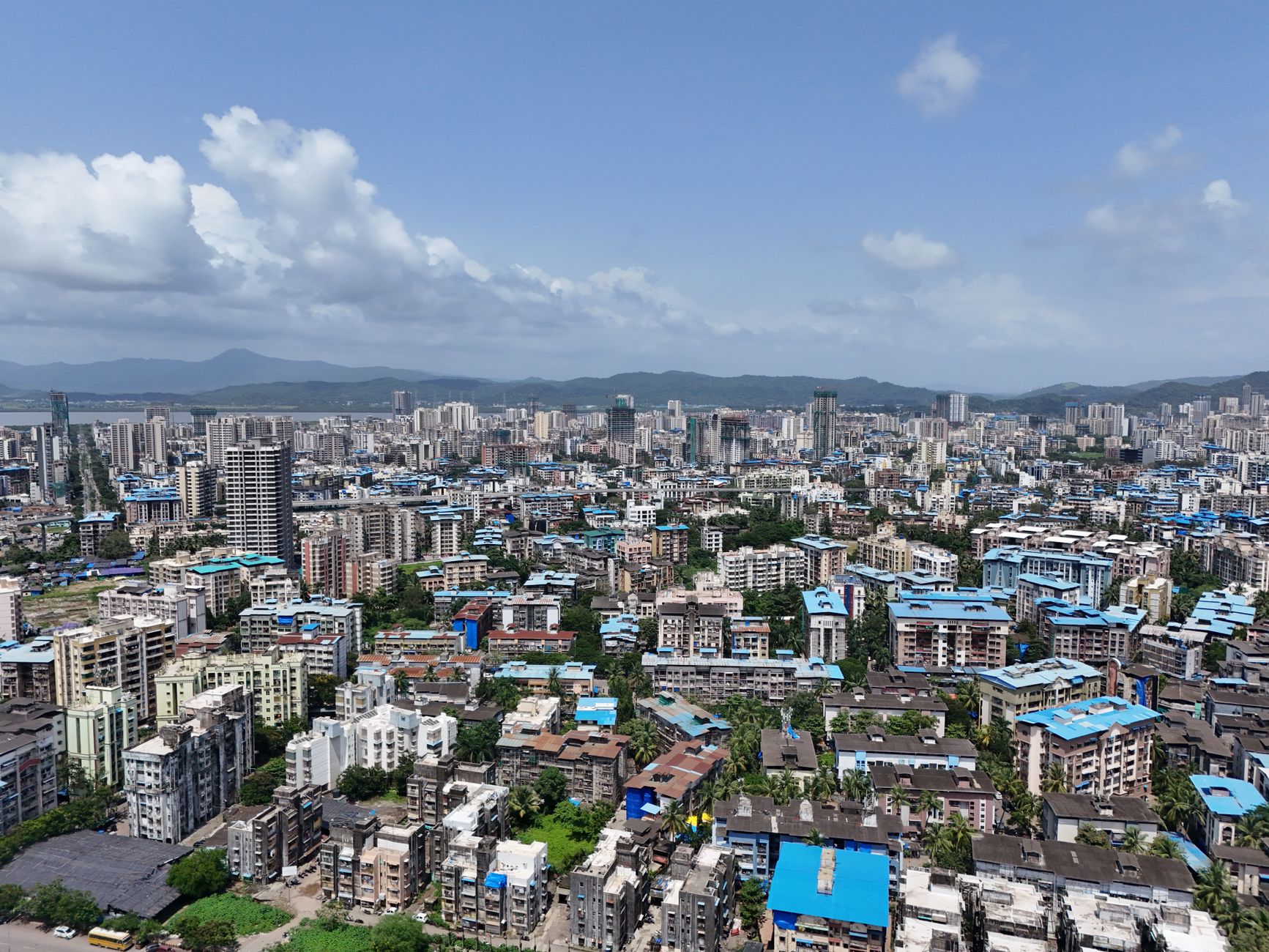
A two-bedroom flat in Bandra West is being advertised simultaneously on three separate portals, same photographs, different prices, different brokers, none of them the actual owner. It is a problem so common in Mumbai's rental and resale market that property lawyers in Andheri and Kurla now routinely warn first-time buyers to reverse-image-search every listing before paying a token advance.
The issue is duplicate image fraud, the practice of lifting photographs from legitimate property listings and reposting them, sometimes with altered prices, to generate leads, extract brokerage fees, or worse, collect deposits on flats that the fraudster has no right to sell. Mumbai is hardly alone in facing this, but the scale here, combined with patchy regulatory oversight, has made the city a notably difficult market to clean up compared to peers in London, Dubai and Singapore.
Where Mumbai Lags, and Why It Matters Now
The timing is not incidental. The Maharashtra Real Estate Regulatory Authority, known as MahaRERA, has been tightening listing norms through 2025 and into 2026, requiring developers to upload project-specific photographs directly to its portal at maharera.mahaonline.gov.in. The intent was partly to create a verified image library that consumers could cross-reference. But secondary market listings, individual resales and rentals handled outside the formal developer ecosystem, remain largely unregulated at the image level.
Dubai's Real Estate Regulatory Agency, RERA Dubai, mandated QR-coded listing permits for all brokerage advertisements back in 2021, which tied each published photograph to a verified permit number. By 2023, the Dubai Land Department reported a measurable drop in duplicate listing complaints, according to publicly available department data. Singapore's Council for Estate Agencies operates a similar permit-linked system through its CEA Public Register, where any listing image not attached to a registered salesperson's active license can be flagged within the portal itself.
London's approach differs. The UK's Trading Standards offices and the Property Ombudsman scheme handle complaints reactively rather than through pre-publication checks, but the major portals, Rightmove and Zoopla, have deployed automated perceptual hashing tools that flag near-identical images appearing across multiple listings from different agents. The technology is not exotic: it compares compressed fingerprints of images to detect copies even when photos have been slightly cropped or colour-adjusted.
Mumbai's dominant portals, including 99acres and MagicBricks, both headquartered outside Maharashtra but carrying heavy Mumbai inventory, have not publicly disclosed whether they use equivalent hash-matching systems. Neither portal's published terms of service, as of this month, describes an automated duplicate-detection protocol for submitted photographs.
Local Initiatives Exist, But Remain Fragmented
On the ground in Dharavi, where redevelopment politics have made property documentation a particularly charged issue, community housing groups have begun circulating WhatsApp-based alert lists of suspected fraudulent listings. It is an improvised response, dependent on volunteer effort rather than institutional infrastructure.
The National Real Estate Development Council, whose Maharashtra chapter operates out of Nariman Point, has previously pushed for a centralised image registry tied to RERA registration numbers. No such registry is operational yet in the state. A pilot discussed within MahaRERA's technical committee during early 2025 would have required developers to submit geotagged photographs with cryptographic timestamps, but that proposal has not advanced to a notified regulation as of the date of this report.
The practical stakes are significant. Maharashtra accounted for property registration revenues of over Rs 40,000 crore in the financial year 2024-25, according to state government figures published by the Inspector General of Registration and Stamps. A market that large, with no image-verification layer in its secondary segment, is an obvious target.
For anyone navigating Mumbai's rental market this monsoon season, when tenant churn peaks across Powai, Malad and Goregaon, the immediate steps are straightforward: run every listing photograph through Google Lens or TinEye before making contact, check whether the property has a registered MahaRERA project number if it is in a newer building, and insist on a physical site visit before transferring any advance. Regulatory fixes will come eventually. They have not come yet.