news
How Mumbai Spent Years Getting to Its First Real-Time Budget Portal, and Why It Took This Long
The BMC's new transparency dashboard didn't appear overnight; it is the product of three decades of civic pressure, court orders, and a series of financial scandals that left ordinary Mumbaikars demanding to see where their tax money actually goes.
How we reported this
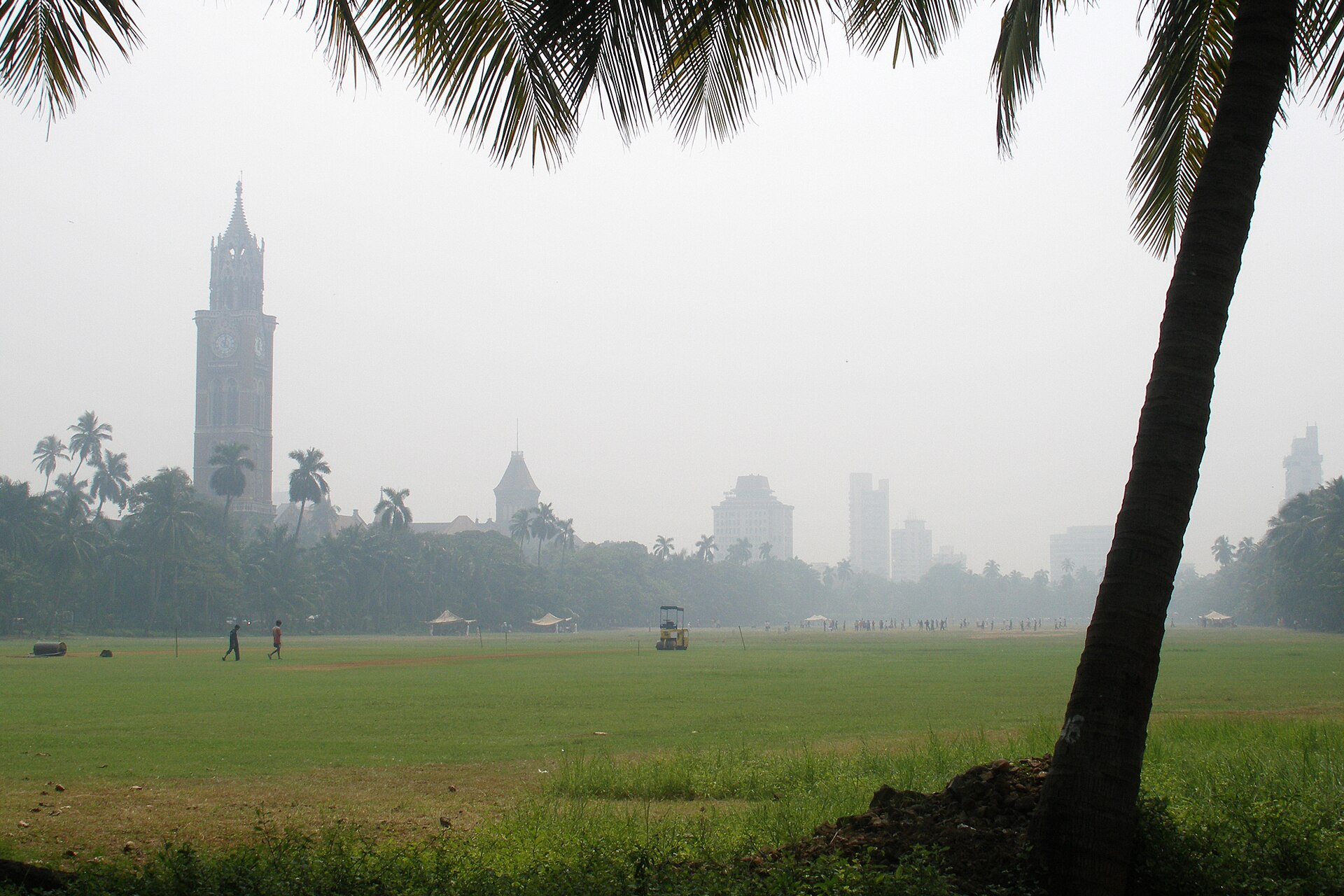
The Brihanmumbai Municipal Corporation quietly launched its Real-Time Budget Tracking Portal on June 28, making Mumbai only the third Indian city after Pune and Surat to offer ward-level expenditure data to the public within 48 hours of funds being disbursed. The portal, accessible at bmc.gov.in/budgetportal, lets any resident track spending down to individual contracts, road repairs on Senapati Bapat Marg, drainage upgrades in Kurla East, even stationery bills at the K-Ward office in Andheri.
The timing is not accidental. Mumbai is in the middle of its most expensive civic construction cycle in memory, with the Mumbai Coastal Road project's Phase 2 extension, the ongoing Metro Line 3 ancillary works around Bandra-Kurla Complex, and the deeply contested Dharavi Redevelopment Project all drawing simultaneously on BMC's capital budget. Combined, those three programmes account for roughly Rs 34,000 crore in active or anticipated municipal expenditure between 2025 and 2028. Citizens and opposition councillors have been demanding a centralised audit trail since at least 2022, when a Comptroller and Auditor General report found that the BMC could not account for Rs 2,191 crore in expenditure across 14 departments during the 2019-20 financial year.
A Long Road From Paper Ledgers to Live Dashboards
The BMC's financial record-keeping was, until very recently, a study in deliberate opacity. For most of the 1990s and 2000s, ward-level accounts were maintained in physical ledgers at civic offices scattered across the city, from the Assistant Commissioner's room at the D-Ward office in Malabar Hill to the sprawling administrative complex near CST. The Right to Information Act of 2005 changed the legal framework but not the practice; activists from Praja Foundation, the Mumbai-based governance research organisation, documented more than 4,000 RTI requests filed against the BMC between 2008 and 2018, with a median response time of 74 days and a 31 percent non-response rate.
A 2019 Bombay High Court order directed the BMC to publish monthly expenditure statements online within 30 days of each month's close. The corporation complied, mostly, but the statements were PDFs scanned from printouts, unsearchable and often uploaded weeks late. Praja Foundation's 2024 annual report on Mumbai's civic finances described the portal that existed then as "compliance theatre." Ward committees in areas like Govandi and Mankhurd, which have historically received lower per-capita infrastructure spending than wealthier wards in Bandra West or Juhu, had no practical way to verify whether allocations promised during budget sessions actually reached their neighbourhoods.
What Changed, and Who Pushed for It
Three things converged to make the current portal possible. First, the Maharashtra government's 2023 directive under the State Finance Commission framework required all municipal corporations with an annual budget above Rs 10,000 crore to adopt open-data standards by April 2026, the BMC's budget crossed Rs 72,000 crore this financial year. Second, the Dharavi controversy sharpened public scrutiny of BMC's role as a land and finance body rather than purely a services provider; community groups in Dharavi, coordinating through the Dharavi Bachao Andolan, specifically demanded visibility into resettlement-linked expenditures. Third, a new generation of BMC commissioners, supported by a core team of IIT Bombay-trained data architects, built the backend on an open-source framework that connects directly to the corporation's SAP financial system, eliminating the manual export step that created previous delays.
The portal went live with data going back to April 1, 2024. It covers 227 budget heads across 24 wards and is updated every 48 hours. A mobile-optimised version is planned for release before the end of July, aimed specifically at residents in lower-income wards who access civic information primarily through smartphones rather than desktop computers.
For residents who want to start using it now, the most practically useful section is the ward-wise capital expenditure tracker under the "H-Ward" and "L-Ward" tabs, which cover areas including Bandra East through Kurla. Praja Foundation has said it will publish a plain-language guide by the third week of July to help residents interpret the data and file targeted RTI requests where gaps appear. The real test will come in October, when the post-monsoon repair cycle typically generates a surge in road-contract spending, historically one of the most contested and least transparent categories in the BMC's books.