culture
Elephanta Caves near Mumbai: why UNESCO calls it a city of caves
UNESCO describes Elephanta as an island site near Mumbai with rock art linked to the cult of Shiva and major high reliefs in its main cave.
Listen in English · 3 min
How we reported this
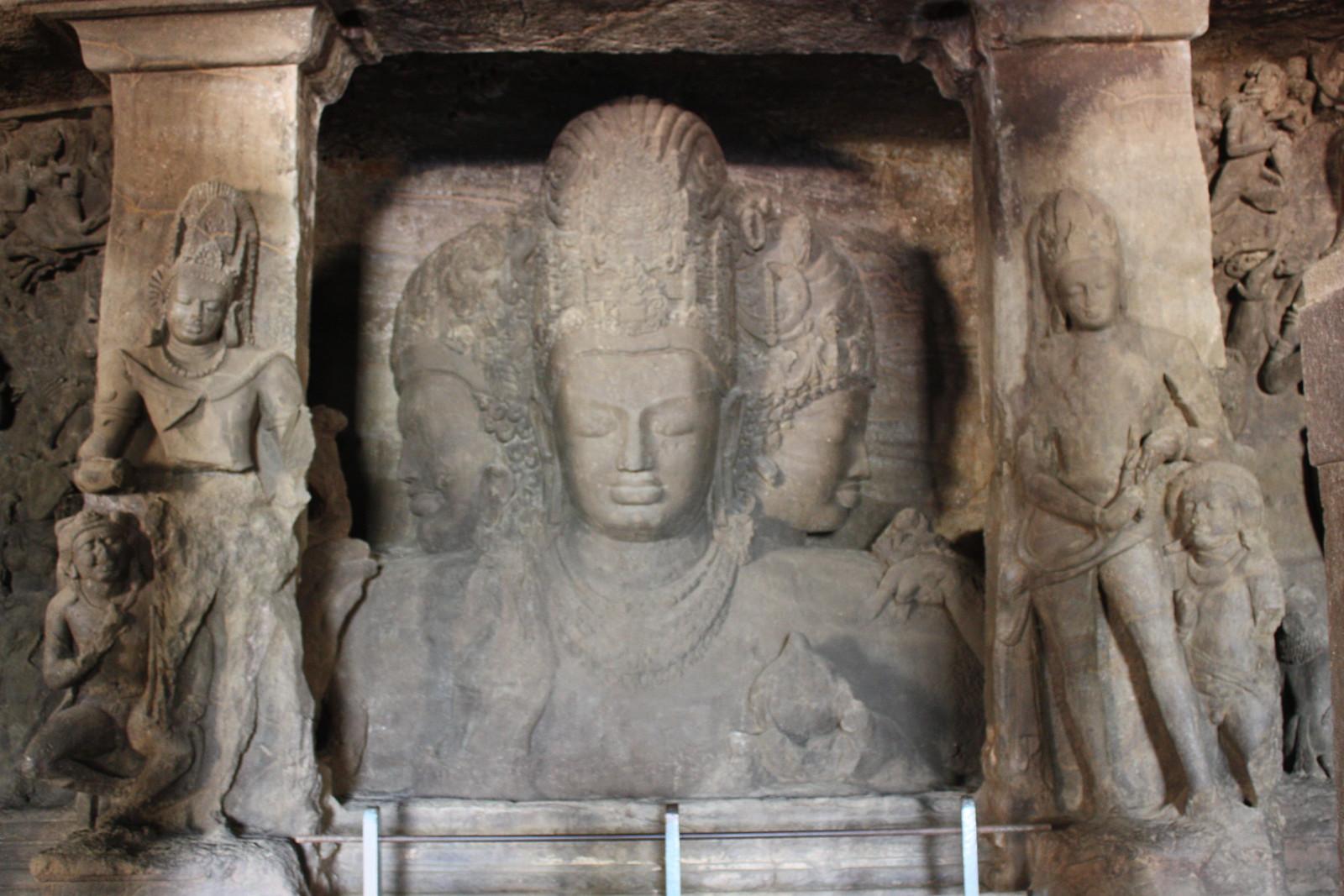
UNESCO's World Heritage description presents Elephanta Caves as the City of Caves, an island site in the Sea of Oman close to Mumbai. Its defining subject is rock art linked to the cult of Shiva. That description gives visitors a useful starting point: Elephanta is not simply a viewpoint or a collection of old chambers, but a heritage landscape whose meaning is tied to religious art, carved spaces and the relationship between the island setting and the caves.
The UNESCO page gives particular attention to the main cave's huge high reliefs. It describes these reliefs as one of the most complete expressions of Indian art at the site. The wording is important because it directs attention away from a quick checklist visit. The sculptures are not presented as isolated decorative objects; they are part of a larger rock-cut environment in which the architecture and the imagery belong together.
A careful visit can therefore begin before the first photograph. Visitors can read the UNESCO description to understand why the caves are associated with Shiva and why the main cave is central to the site's significance. That preparation helps distinguish what is documented by the World Heritage listing from what may be supplied by informal tour commentary. The UNESCO page does not provide a complete local itinerary, so visitors should not assume that it answers questions about transport, opening hours, ticketing or weather.
The island location also matters to how the site is experienced. UNESCO places the caves close to Mumbai but does not turn that geographical description into a promise about travel time. Conditions at sea, local transport arrangements and site access can vary. A visitor planning an excursion should confirm those practical details through current local authorities or operators. The heritage source is strongest for the site's cultural meaning, not for a same-day travel schedule.
Elephanta's value for Mumbai lies in that combination of proximity and depth. The island is close enough to belong in a city heritage itinerary, yet the caves preserve a distinct world of rock-cut art linked to Shiva. UNESCO's concise account supports the main facts: the island setting, the City of Caves description, the religious connection and the exceptional reliefs in the main cave. Everything beyond those points should be checked separately before a visit.