culture
CST's UNESCO story is a meeting of Victorian Gothic design and Indian craftsmanship
UNESCO describes Chhatrapati Shivaji Terminus as a Victorian Gothic landmark shaped by Indian architectural traditions and local craftsmanship.
Listen in English · 3 min
How we reported this
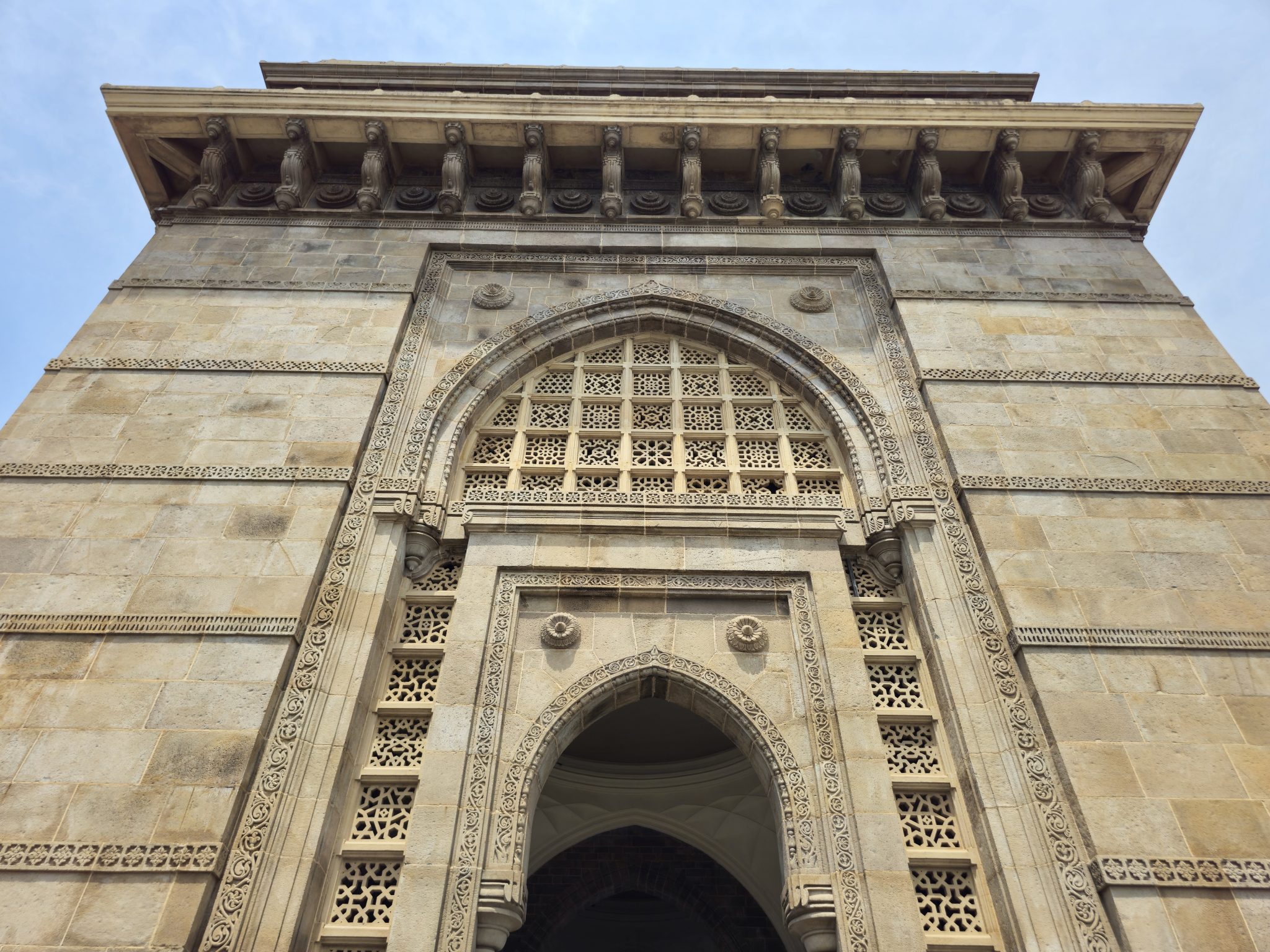
Chhatrapati Shivaji Terminus is more than a busy railway address in central Mumbai. UNESCO describes the building, formerly known as Victoria Terminus, as an outstanding example of Victorian Gothic Revival architecture in India. The same description says that the design blends British architectural ideas with themes drawn from Indian traditional architecture. That combination is the most useful way to approach the station: as a working city landmark whose visual language was formed through an exchange between traditions.
UNESCO records that the building was designed by the British architect F. W. Stevens and constructed over 10 years beginning in 1878. The official description places the design within High Victorian Gothic and identifies late medieval Italian models as an influence. It also points to a remarkable stone dome, turrets, pointed arches and an unusual ground plan. These details help explain why a station can be read as architecture rather than only as transport infrastructure.
The Indian contribution is central to the heritage account. UNESCO says British architects worked with Indian craftsmen to include Indian architectural traditions and idioms, producing a style described as unique to Bombay. That wording supports a more careful visitor conversation than the simple label of a colonial building. The station's significance lies partly in the way imported forms and Indian building knowledge were brought together in one large public structure.
UNESCO also connects the terminus with Bombay's identity as a Gothic City and with its role as a major international mercantile port. Those historical associations belong to the site's documented heritage narrative. They should not be turned into unsupported claims about present-day railway operations, passenger volumes or access. Anyone visiting the station should remember that it remains part of a live transport environment and should follow railway instructions.
For a short architecture walk, the UNESCO description suggests a clear sequence of things to notice: the stone dome, turrets, pointed arches, the unusual plan and the relationship between Gothic forms and Indian palace traditions. The station's name and surrounding streets may change in everyday conversation, but the heritage record is stable. UNESCO provides the grounded explanation: a ten-year project begun in 1878, designed by Stevens, and shaped into a distinctive Bombay style through collaboration with Indian craftsmen.