lifestyle
Mumbai's Dining Scene Shifts From Chains to Hyper-Local Neighborhood Gems
From the salt-aired lanes of Colaba to the neon-lit thoroughfares of Bandra, the city’s dining culture is shifting from high-concept chains to hyper-local cornerstones.
How we reported this
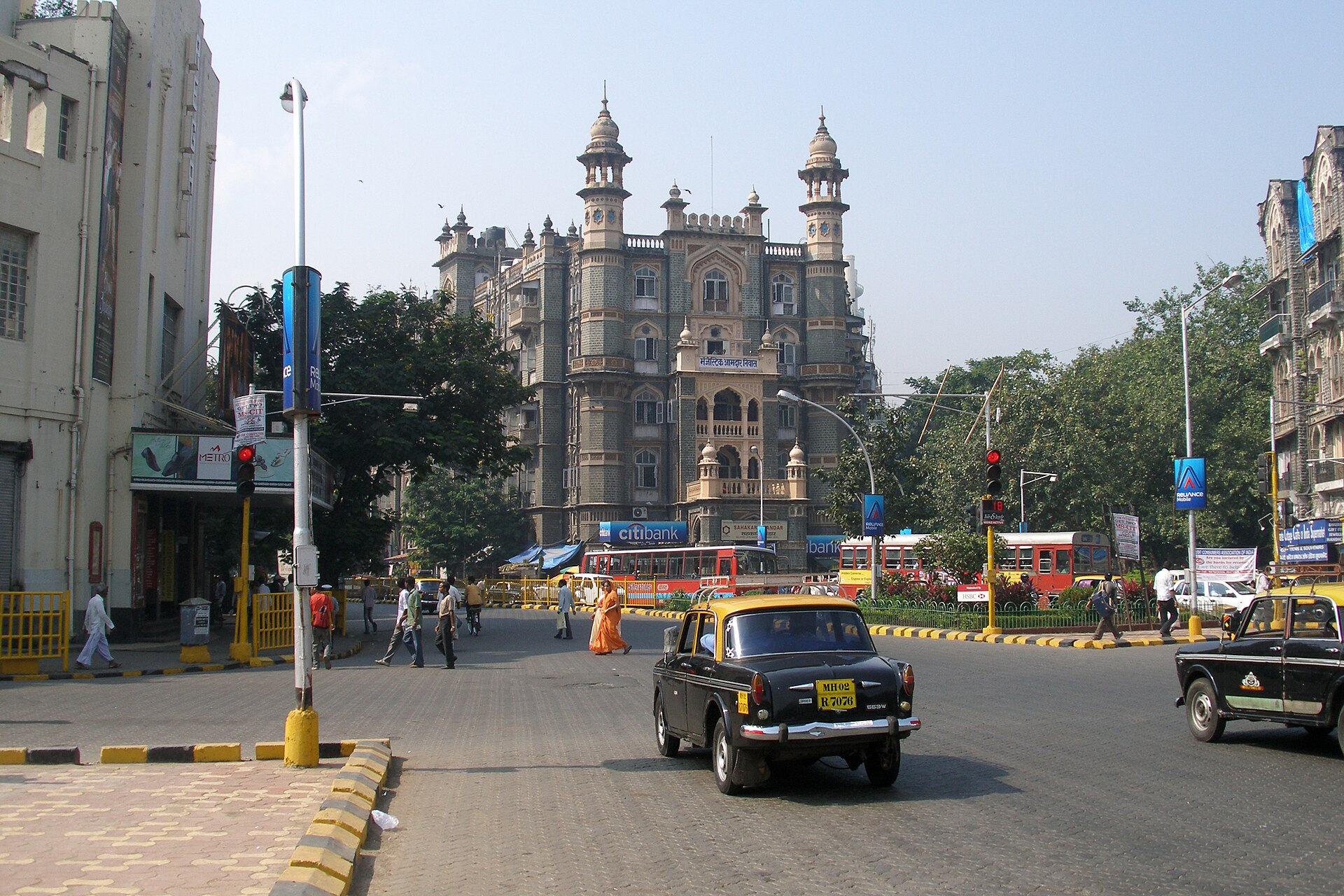
Mumbai’s culinary map is currently being redrawn, not by sprawling five-star expansions, but by a resurgence of neighborhood-specific venues that prioritize intimacy over scale. As of July 2026, the shift is palpable: diners are increasingly bypassing the commercial hubs of Lower Parel in favor of establishments that mirror the unique demographic shifts of their immediate streets. Whether it is the old-money preservation of Malabar Hill or the creative sprawl of Versova, the most successful restaurants today are those that operate less like commercial enterprises and more like neighborhood town squares.
The Pulse of the Pavement
In Colaba, the vibe remains tethered to a blend of history and maritime grit. At establishments like the 145-year-old Leopold Cafe or newer, boutique ventures hidden down Arthur Bunder Road, the objective is consistency. These spaces have become the default living rooms for local residents, functioning as offices by day and social anchors by night. The neighborhood character here isn't manufactured; it is baked into the cracked tile floors and the steady stream of regulars who don't need a menu to order their tea or evening meal. It’s a stark contrast to the transactional nature of the food courts proliferating near the BKC commercial district.
Venture north to Bandra West, and the narrative changes entirely. On Pali Naka, the focus shifts toward a frantic, youth-driven energy that mirrors the neighborhood’s identity as a hub for the media and tech industries. Here, venues like Pali Bhavan have successfully navigated the transition from traditional bungalow spaces to contemporary community hubs. The community here values rapid innovation-the cocktail programs and seasonal menus change with the speed of a startup cycle, reflecting the neighborhood's status as the city's unofficial creative capital.
The Economics of Authenticity
Data from the Mumbai Restaurant and Hotel Association suggests that independent venues with fewer than 50 covers are outperforming large-scale chains by nearly 18% in year-over-year revenue growth. The average check size for these hyper-local spots has stabilized at approximately ₹2,200 per head, despite a 7% increase in ingredient costs over the last six months due to supply chain volatility in the Konkan belt. This pricing threshold appears to be the sweet spot for a middle-class clientele that expects quality ingredients-specifically locally sourced produce-without the overhead of fine-dining service charges.
For those looking to understand the city's current trajectory, the lesson is simple: look past the flashy hoardings. The real character of Mumbai’s food scene is found in the places where the owners know the names of the delivery riders and the regular patrons alike. If you are planning to dine out this weekend, head to the pockets of the city where the street-level lighting is dim and the reservations are hard to come by. The best meals in this city are no longer found in the glass towers of the skyline; they are tucked away in the quiet, crowded corners that define our neighborhoods.