federal
Centre's New Rules Slow Mumbai's ₹50,000 Crore Transit Expansion Plans
New federal guidelines on project clearance and contractor vetting threaten to slow Mumbai's metro expansion and coastal road work, officials warn.
How we reported this
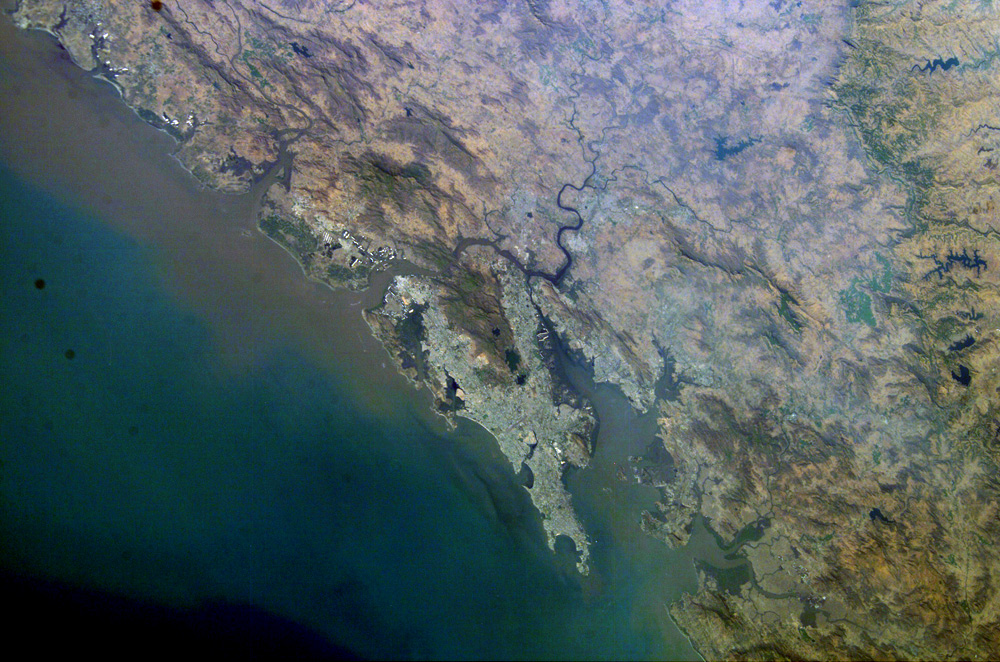
The central government's infrastructure ministry issued revised guidelines on June 28 that require all metro and expressway projects exceeding ₹500 crores to undergo additional environmental and social impact assessments before construction begins. For Mumbai, that's a problem. The city's three active metro corridors-the Line 2A extension toward Dahisar, the Line 6 project linking Swami Samarth Nagar to Vikhroli, and the ongoing Line 7 work through Colaba-collectively face potential delays of six to eighteen months as bureaucrats in Delhi reprocess permits already approved by state authorities.
The friction between Mumbai's ambitions and Delhi's tightening grip on project oversight reflects a broader tension in India's federal system. As heat waves cancel public events across the country and national politics churns through the mid-year cycle, the Modi government is attempting to standardise infrastructure approvals through its Centralized Infrastructure and Asset Authority (CIAA), a body established last year to prevent cost overruns and contractor fraud. In practice, says one senior official at the Municipal Corporation of Greater Mumbai (MCGM) who declined to be named, it means Mumbai bureaucrats spend more time justifying decisions to Delhi than building.
What the New Rules Demand
Under the revised framework, any project valued above ₹500 crores must now submit detailed reports on land acquisition impacts, resettlement protocols for affected residents, and evidence of contractor financial stability. For the Line 2A extension-budgeted at ₹8,722 crores and scheduled to reach Dahisar by 2029-that's multiple rounds of fresh documentation. The Mumbai Metropolitan Region Development Authority (MMRDA) submitted its original environmental clearance to the state in 2023, but federal officials are now requesting updated soil survey data and updated traffic models from the 2025-26 period.
The Coastal Road project, which has already consumed ₹4,200 crores of its ₹17,840-crore budget since ground-breaking in 2018, faces its own scrutiny. The CIAA flagged concerns about contractor performance on the South Mumbai section (Worli to Bandra) in a May 15 report, noting that Chinese firms handling foundation work had missed four quarterly milestones. Work hasn't stopped, but federal auditors are now on-site monthly, slowing decision-making on design modifications.
The delay trap hits hardest on smaller vendors and local contractors who service these mega-projects. Ramakant Sharma, who runs a concrete-supply firm serving MMRDA contracts in Andheri, said the new vetting rules mean he can't bid on work until central ministry officials clear his firm's tax returns and bank statements-a process that used to take eight weeks but now takes five months.
The Data Behind the Crackdown
Treasury analysts in Delhi point to concrete numbers justifying the crackdown. Between 2018 and 2025, seven major metro and road projects across India exceeded budgets by an average of 34 percent, draining an estimated ₹22,000 crores from state coffers. Mumbai's own Line 3 corridor-initially priced at ₹23,099 crores when sanctioned in 2012-ballooned to ₹38,957 crores before opening sections to the public in June 2024. Cost overruns like those drove federal policymakers to impose stricter contractor accountability rules and mandatory cost-escalation clauses in new contracts.
The challenge for Mumbai is timing. The city needs ₹50,000 crores in transit and drainage infrastructure by 2030 to accommodate projected population growth from 20.96 million today to 24.4 million, according to civic planners. Every month of federal review represents delayed metro extensions, stalled suburban rail upgrades, and further crowding on lines like the Central and Western railways that already see 40 million commuters monthly.
Officials expect the CIAA process to stabilise by September, once the ministry completes its audit of pending projects. Until then, contractors should expect site supervision visits to increase and approval timelines to stretch. The message from Delhi is clear: money for infrastructure will flow, but not without scrutiny.