culture
Mumbai's Monsoon Shifts Arts Scene Indoors in 2026
Heavy rains push the city's creative events from open-air festivals into South Mumbai's galleries and independent stages.
How we reported this
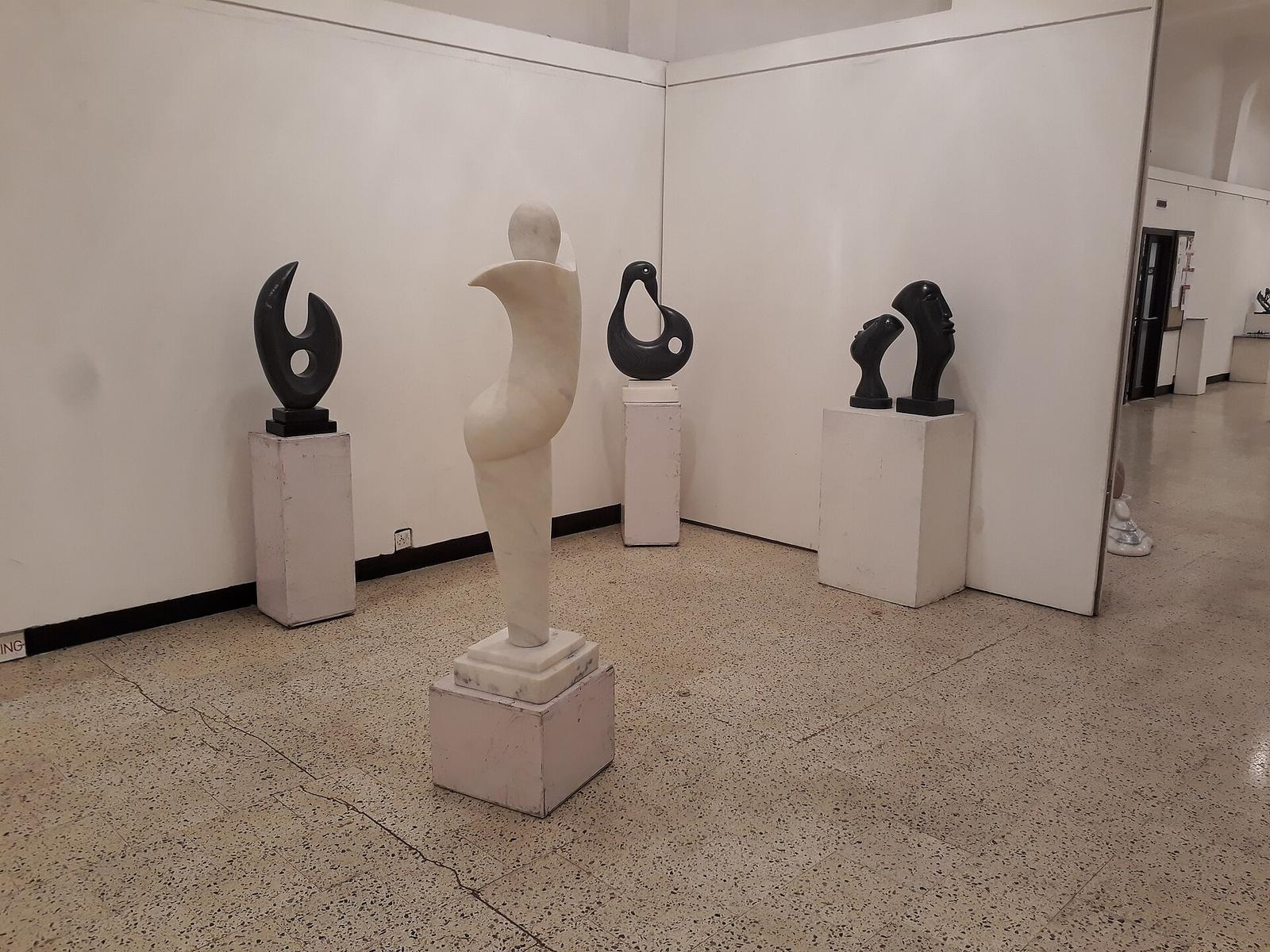
Mumbai enters the second week of July with the monsoon firmly entrenched, shifting the city’s cultural calendar from the sprawling outdoor events of the dry season to a concentrated, indoor renaissance. Today, the creative pulse of the city is found behind the heavy doors of heritage structures in Colaba and the renovated mill compounds of Lower Parel, where local artists are redefining the metropolitan identity through a lens of urban resilience and historic preservation.
The Shift to Interior Spaces
The transition is most visible at the Jehangir Art Gallery in Kala Ghoda, which currently houses a rotating exhibition focused on the intersection of maritime history and modern digital art. By narrowing the scope of public engagement to these physical hubs, the city’s curators are fostering a more deliberate, quiet form of cultural exchange. This move away from mass-attendance outdoor concerts toward curated, smaller-scale exhibitions is a direct response to the logistical realities of a July monsoon, yet it has become a defining characteristic of how Mumbai’s art scene survives the weather.
Data released by the Mumbai Metropolitan Region Development Authority (MMRDA) indicates that foot traffic in the Kala Ghoda precinct remains consistent during the rainy months, despite a 40% reduction in outdoor tourism compared to the peak in January. This persistence has emboldened venues like the National Centre for the Performing Arts (NCPA) to expand their weekday evening programming. The NCPA has scheduled four distinct theatrical performances this weekend alone, catering to a demographic that prioritizes local avant-garde works over touring international productions.
Economic Impact and Local Engagement
Investment in indoor cultural programming is not merely a seasonal necessity; it is a calculated economic strategy for the city’s galleries and independent theaters. According to the Maharashtra Tourism Development Corporation’s latest quarterly report, cultural tourism revenue in Mumbai saw a 12% increase during the Q3 period of last year, largely attributed to the expansion of ticketed indoor events. Prices for entry into these mid-tier gallery shows typically hover around ₹200 to ₹500, making them accessible to a growing student population living in neighborhoods like Matunga and Dadar.
For those looking to engage with this shift today, the advice is to move away from the tourist-heavy promenades and toward the dedicated creative pockets of the city. Visitors should focus on the workshops currently running at the Piramal Art Foundation, which has prioritized digital outreach for its monsoon-focused history series. While the streets remain unpredictable under the current 80mm rainfall forecast, the city’s cultural identity is proving to be as fluid and adaptive as the weather itself, finding shelter in the very institutions that define Mumbai’s artistic legacy.
References Sourced but Not Limited to:
- passionateinmarketing.com · House of hiranandani launches pierpop a month long waterfront festival...
- mumbaiorbit.com · Mumbai monsoon music fest 2026 bandra
- freepressjournal.in · Mumbai this weekend indias got latent watch party monsoon marathon...
- mid-day.com · In photos check out these 8 unique events in mumbai this weekend 111656