culture
Mumbai's Art Exhibitions and Street Festivals Draw Crowds This July 4
From art exhibitions to street festivals, here’s a snapshot of Mumbai’s vibrant local scene capturing attention this July 4.
How we reported this
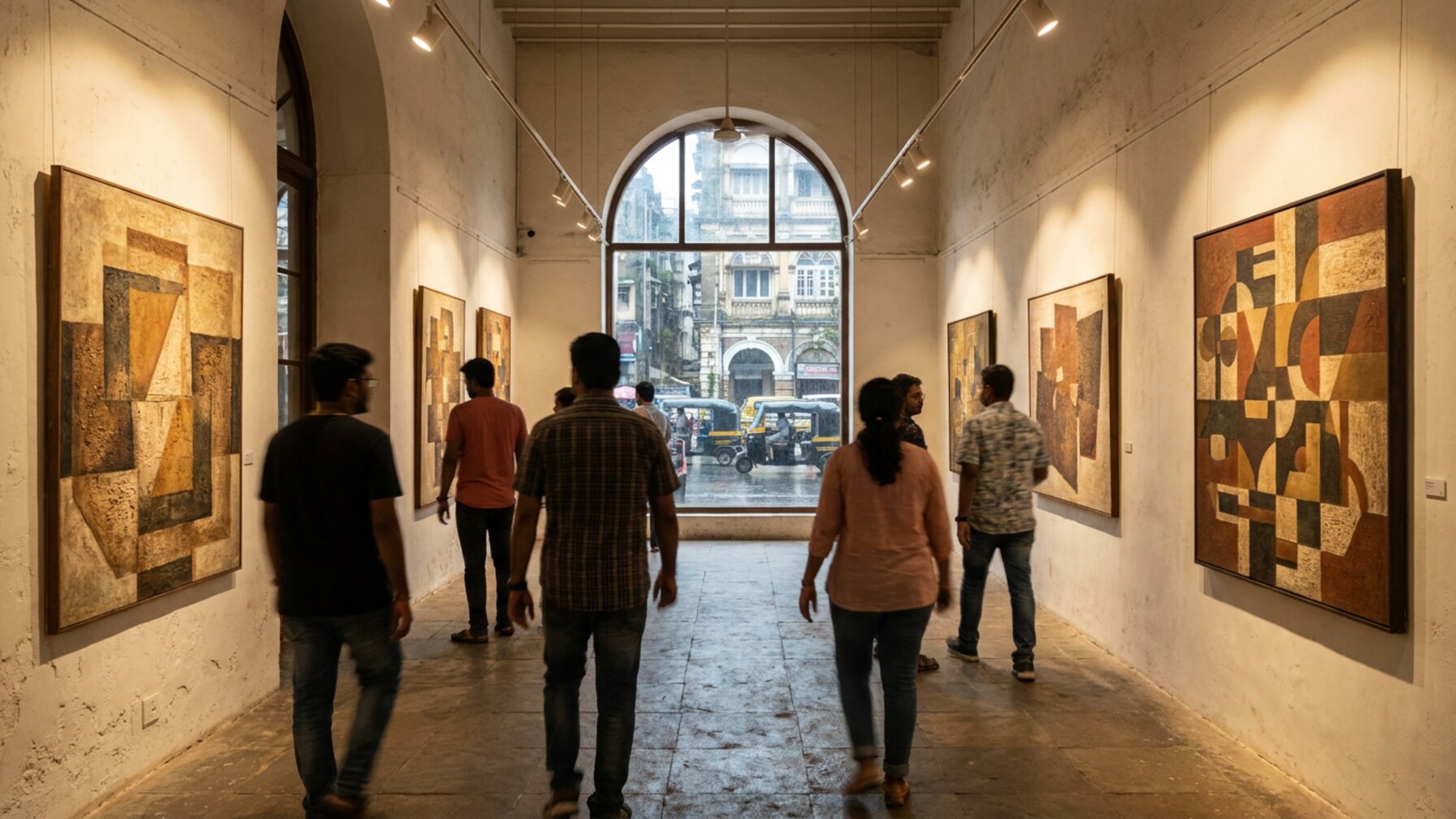
Mumbai is alive with a diverse range of events today, drawing residents out onto the streets and into galleries, theatres, and parks. The Kala Ghoda Arts Festival is in full swing, while the recently revived Carter Road Sunday Bazaar has been attracting crowds eager for artisanal crafts and street food. Both have quickly become the talk of the town, highlighting cultural renewal and local entrepreneurship amid the city’s evolving landscape.
Kala Ghoda Arts Festival: A Cultural Pulse
The annual Kala Ghoda Arts Festival, which began on July 1 and runs through July 7, is one of Mumbai’s biggest cultural celebrations, featuring over 200 events across music, theatre, dance, visual arts, and literature. This year’s program is notable for its emphasis on ecological themes, with several exhibitions and interactive workshops tackling environmental concerns specific to the Mumbai metropolitan area, including coastal preservation and urban sustainability.
According to the Kala Ghoda Association, which organizes the festival, attendance figures have reached an estimated 150,000 visitors so far, a marked increase of 25% compared with last year. This spike reflects strong local enthusiasm as well as growing regional tourism. Key festival venues include the David Sassoon Library on Rampart Row and the Jehangir Art Gallery on M.G. Road, both central hubs buzzing with activity.
Carter Road Sunday Bazaar: The City’s New Weekend Pulse
For those heading west, the Carter Road Sunday Bazaar has quickly become a magnet for Mumbai’s younger crowd and families. The bazaar, which reopened last month after a two-year hiatus due to pandemic restrictions, features over 80 stalls offering handcrafted jewellery, local fashion, and fusion cuisine. The bazaar’s revival has been a critical boost for small traders and creatives working in South Mumbai’s seaside neighbourhoods.
Ticket prices for entry remain free, with popular food stalls pricing snacks like vada pav and fresh coconut water between ₹40 and ₹100, affordable and accessible for most locals. Organizers estimate daily footfall exceeding 10,000 shoppers and visitors every Sunday, an indicator of the market’s success in reconnecting the community with outdoor spaces and informal retail opportunities.
“It’s more than just a market; it’s become a weekend gathering place where people come to unwind, shop, and enjoy performances by local musicians,” said a representative of the Carter Road Bazar Committee, overseeing today’s event.
These concurrent happenings reflect a broader pattern of Mumbai’s residents craving more open-air cultural experiences after years of lockdowns and social restrictions, marking a turning point for the city’s social calendar in mid-2026.
For those looking to join in today, Kala Ghoda’s main events run until 9pm, with most exhibitions free to the public and workshops requiring minimal registration fees between ₹100 to ₹300. Meanwhile, Carter Road’s market operates from 9am until sunset, making it an ideal spot for a daytime family outing. Public transport options such as the DN Nagar Metro Station and Bandra-West bus routes offer convenient linking for visitors.